Note
Marco’s Kitchen
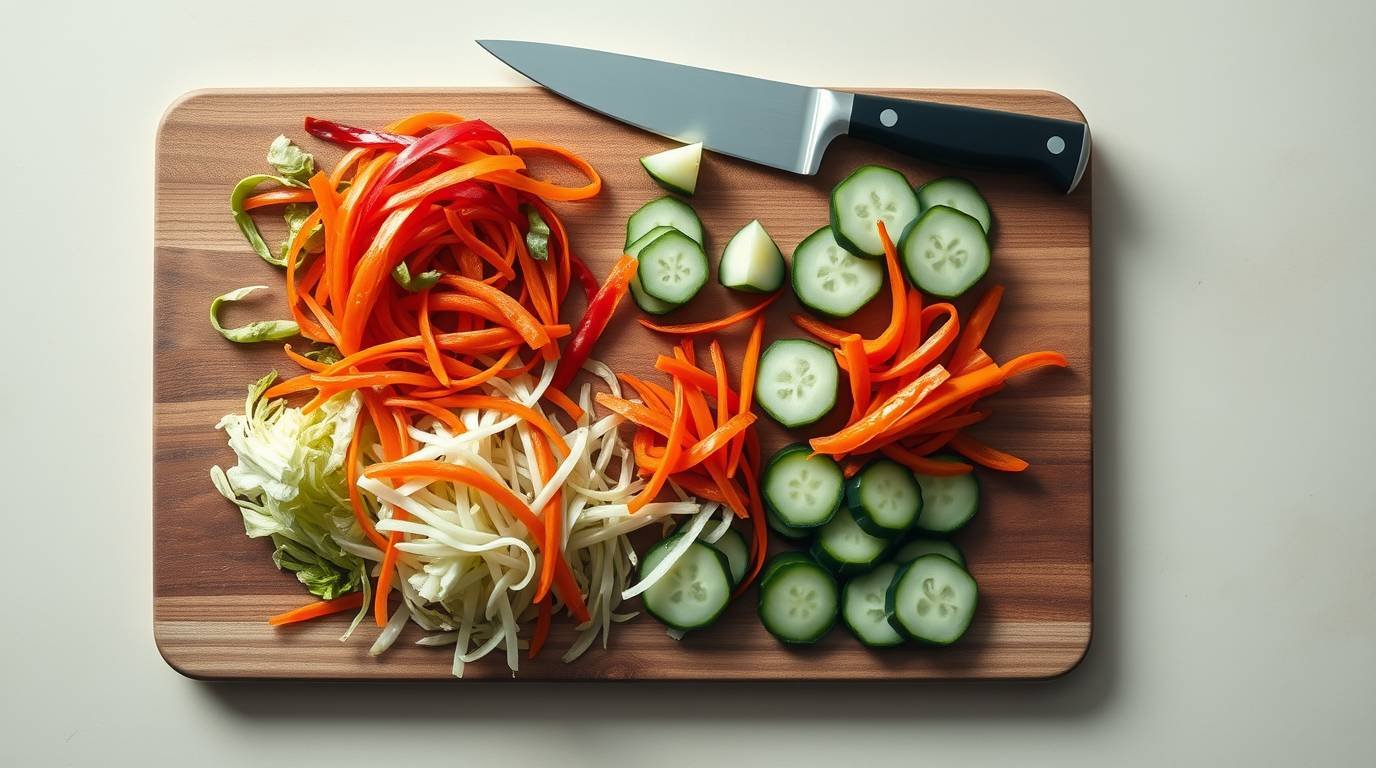
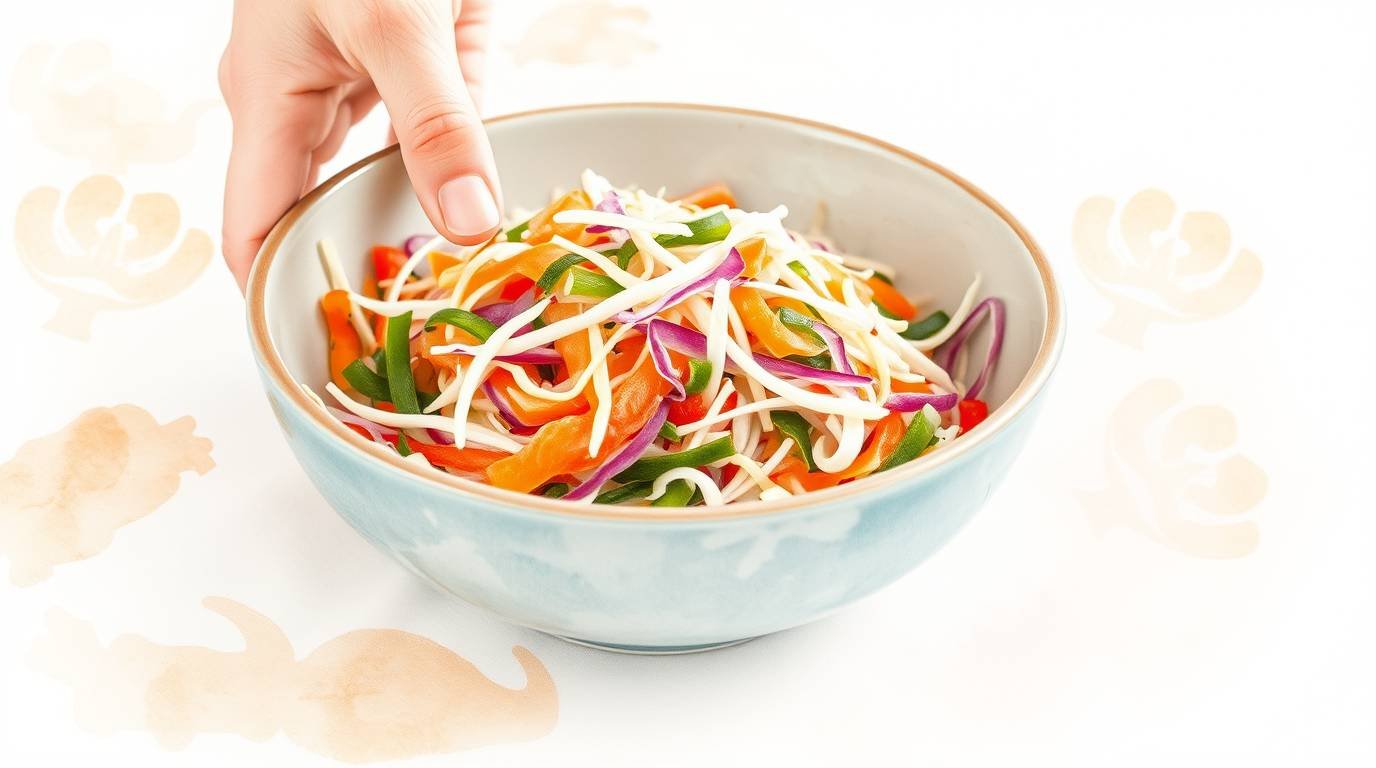
Marco learned early that slaws are not about crunch alone. Too much sharpness tires the body. That’s why he always chooses vegetables that still have life, but not aggression. Fresh cabbage matters here—if it feels stiff or squeaky, give it a moment with salt and your hands. Food softens when treated kindly.
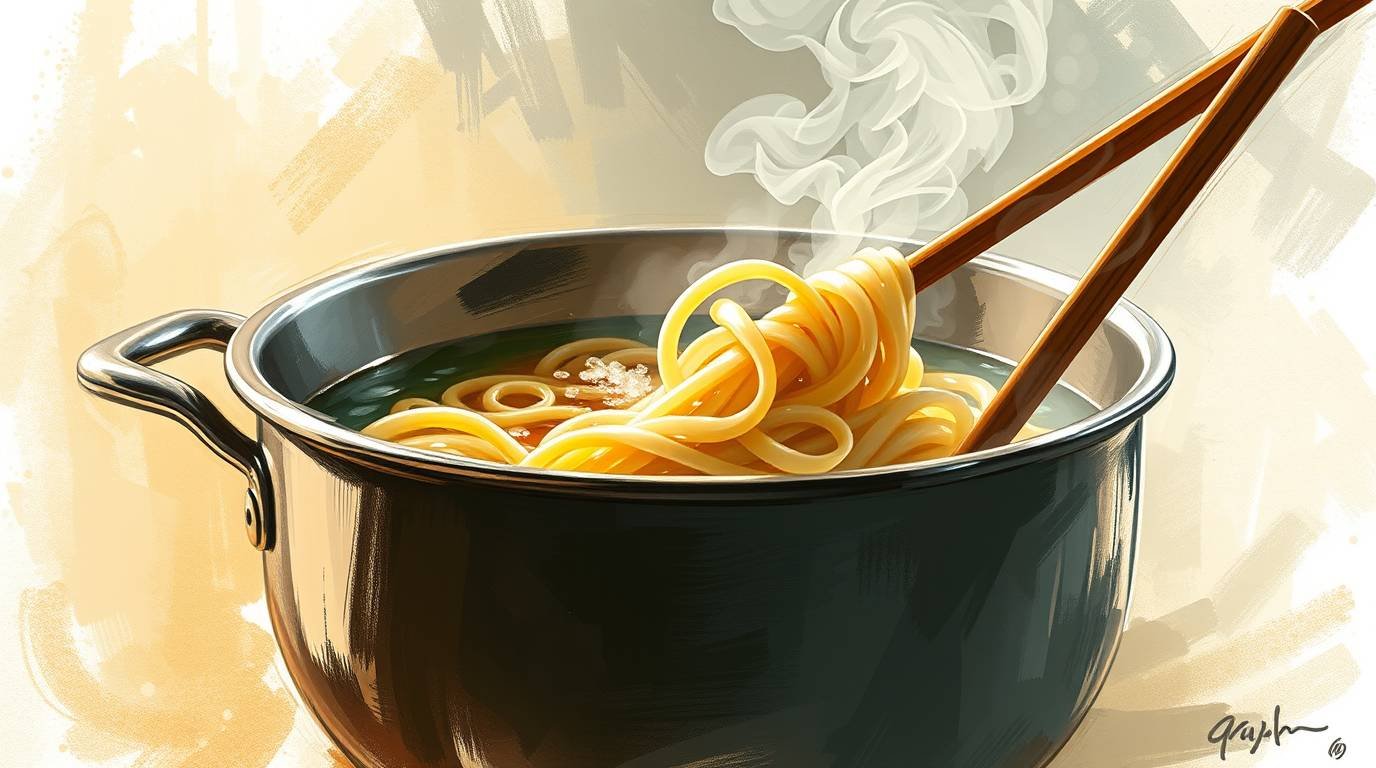
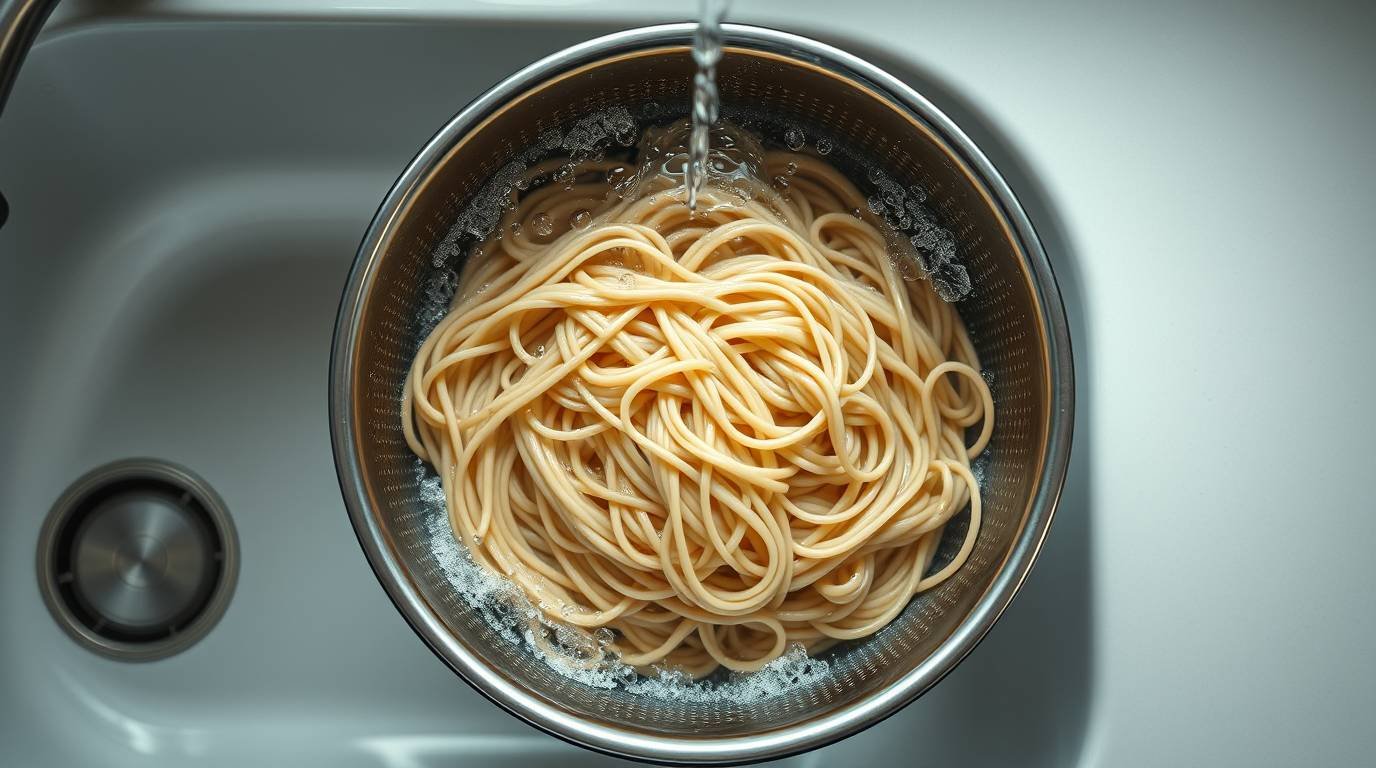
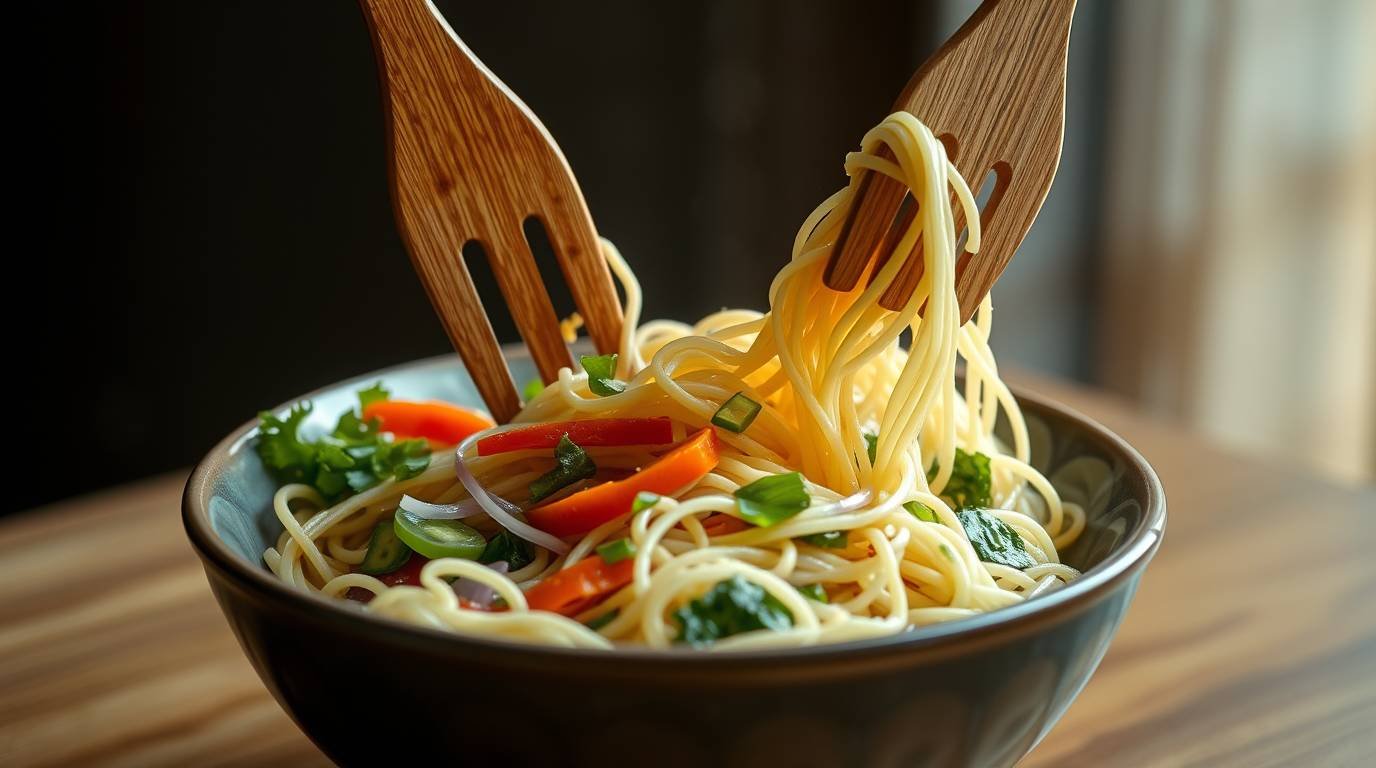
When he cooks soba, Marco never walks away. Buckwheat is honest but unforgiving—one minute too long and it loses its quiet strength. He drains the noodles quickly, rinses them with cold water, then coats them with a whisper of sesame oil. This is not for flavor alone; it’s to help the noodles stay separate, calm, and ready to receive the sauce.
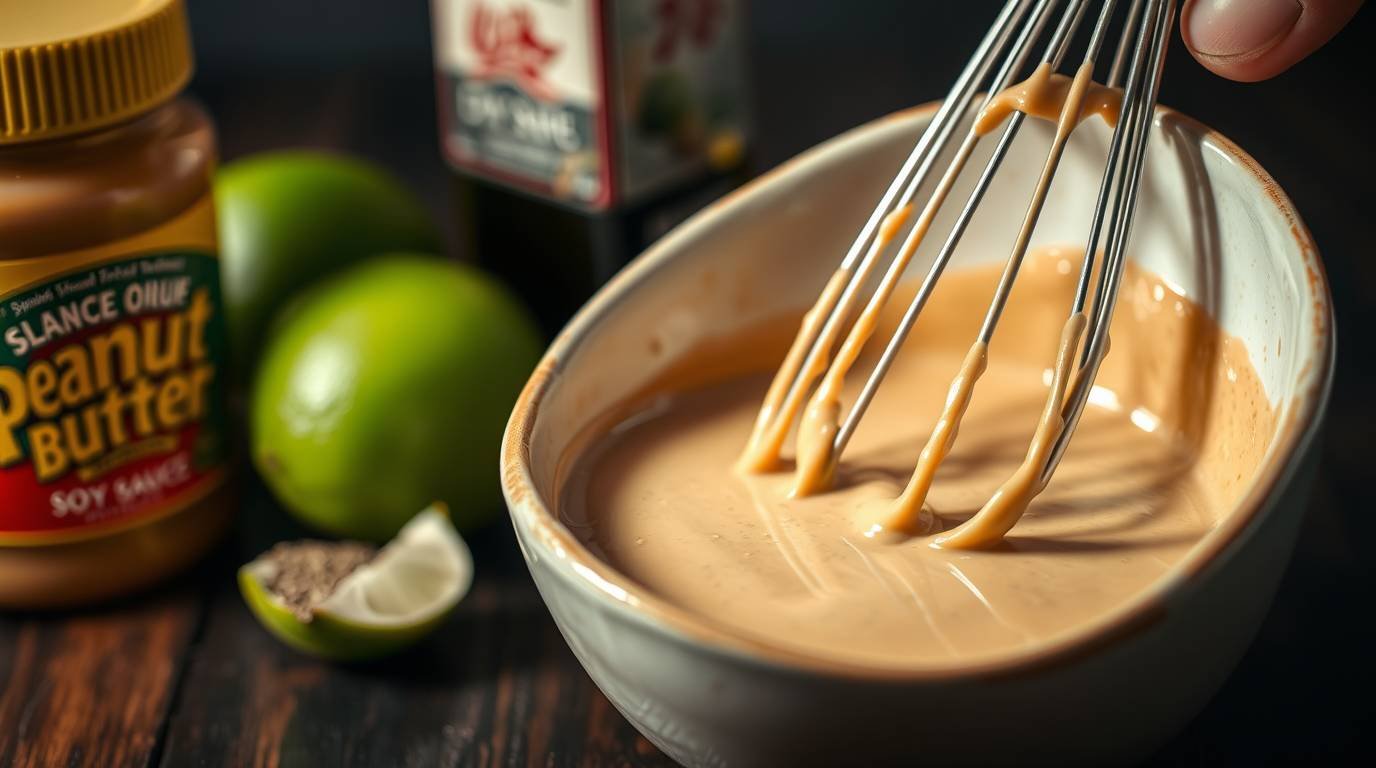
The peanut dressing should feel rounded, not sweet. Marco tastes it with a spoon, then waits a breath before deciding. If it feels sharp, he adds warmth—sometimes a splash of water, sometimes a touch more peanut butter. If it feels flat, a hint of fermentation (miso or tamari) brings it back to life. The goal is harmony, not perfection.
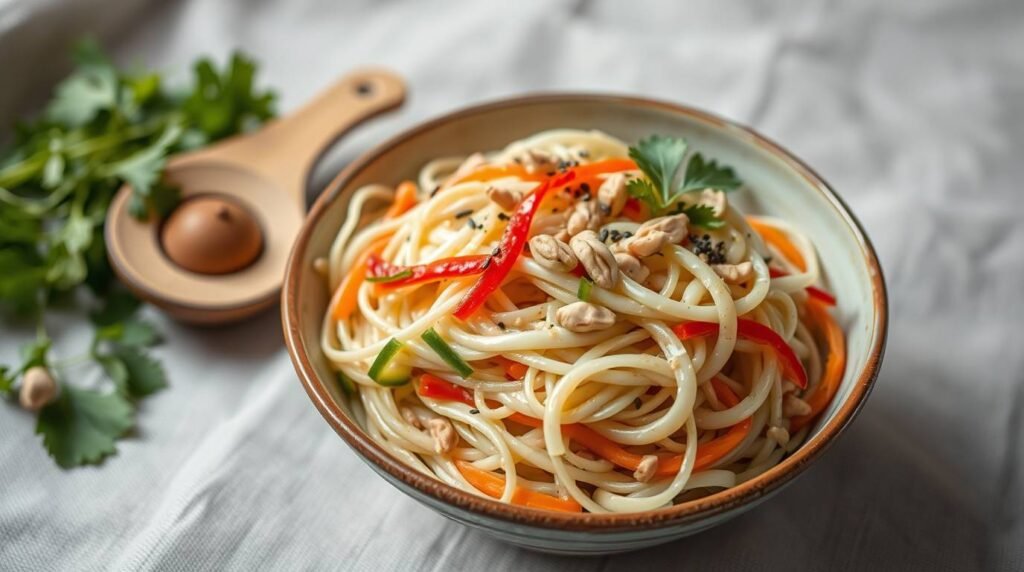
He prefers to gently assemble this slaw with his hands or two forks, lifting rather than stirring. Broken noodles change the experience. This dish rewards patience.
If Marco knows he’ll be eating it the next day, he keeps a little dressing aside. Leftovers are welcome here—but refreshed, not drowned. A few drops of sesame oil or soy sauce before serving is enough to wake it again.
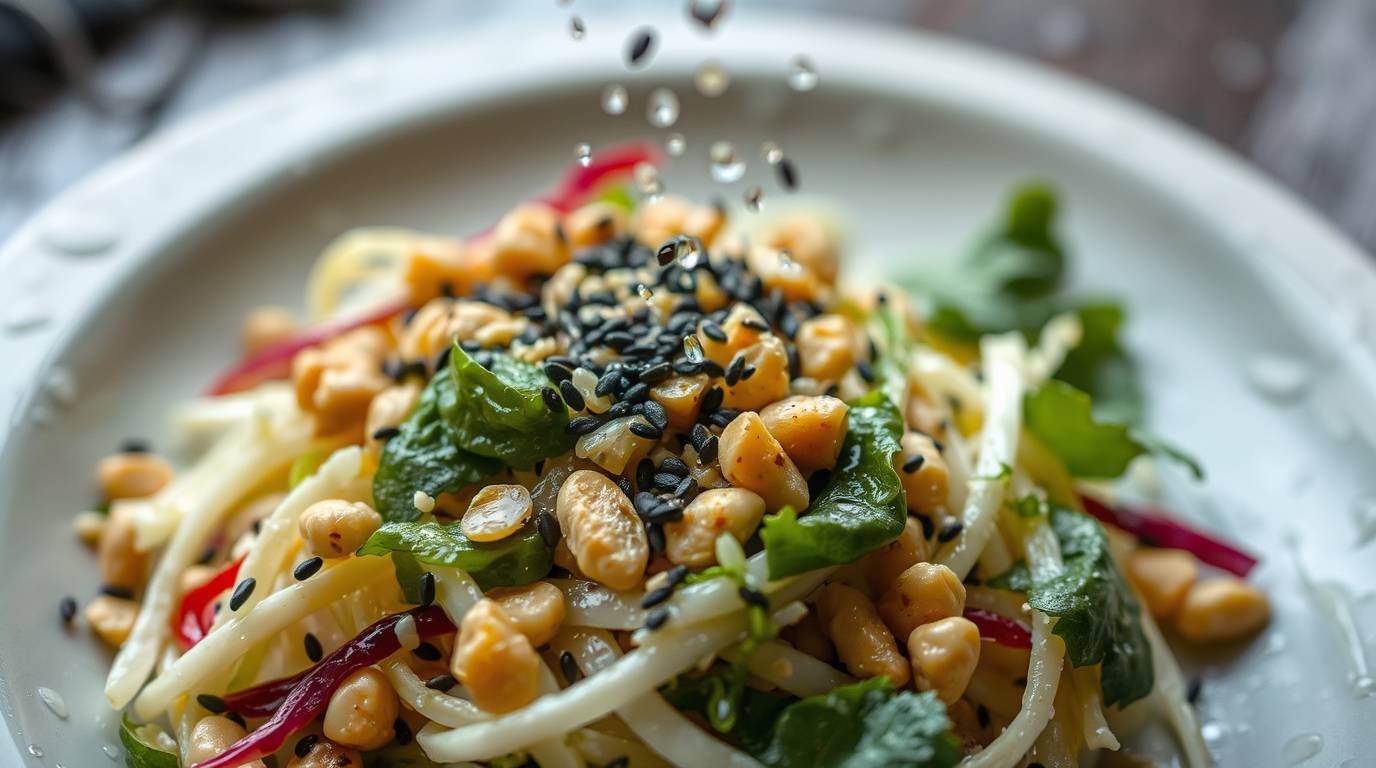
Sometimes, when the day has been heavy, Marco adds tofu torn by hand or a spoon of edamame—not to make the dish bigger, but steadier. Protein should support, not dominate.
He serves this slaw cool, never icy. Cold dulls flavor. Room temperature lets the peanut, buckwheat, and vegetables speak to each other.
Marco says this is a dish for days when strength needs to arrive quietly. Eat it slowly. It will meet you there.