How to Make Creamy Polenta with Roasted Winter Roots


Introduction (Marco’s Story)
Christmas Eve was never loud in Marco’s memory.
It was the evening when the kitchen finally slowed down—when the rush of the day gave way to a softer rhythm. Outside, winter settled into the stones and fields, but inside there was warmth: the low hum of the oven, the steady stirring of a pot, the scent of herbs rising gently into the air.
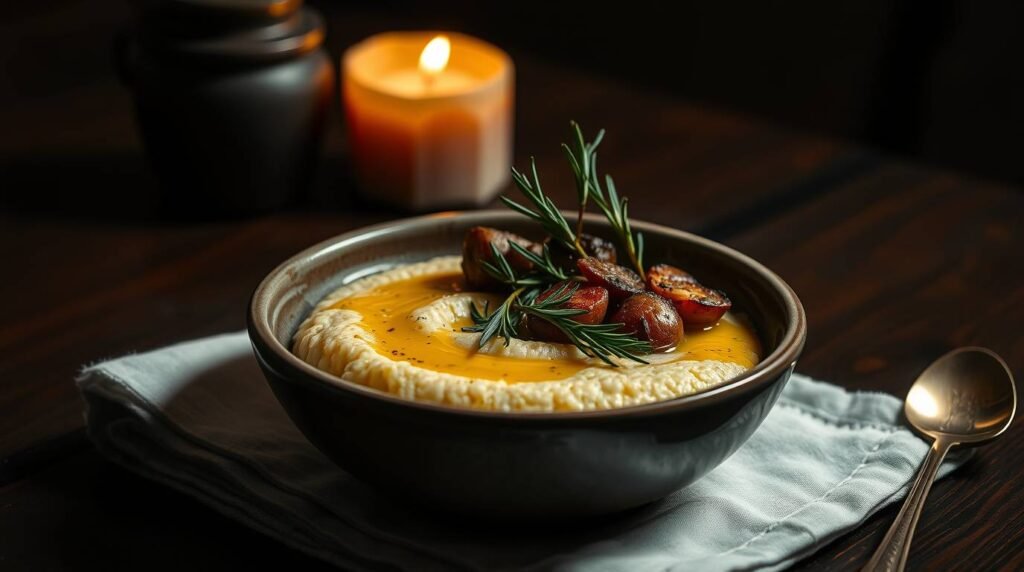
Polenta was not a celebration dish in the grand sense. It was something older than celebration. Something meant to steady the hands and quiet the mind. Marco remembered watching it thicken slowly, taught not to rush it, taught that patience itself was part of the recipe. In winter, this mattered. Food was not meant to impress—it was meant to hold you.

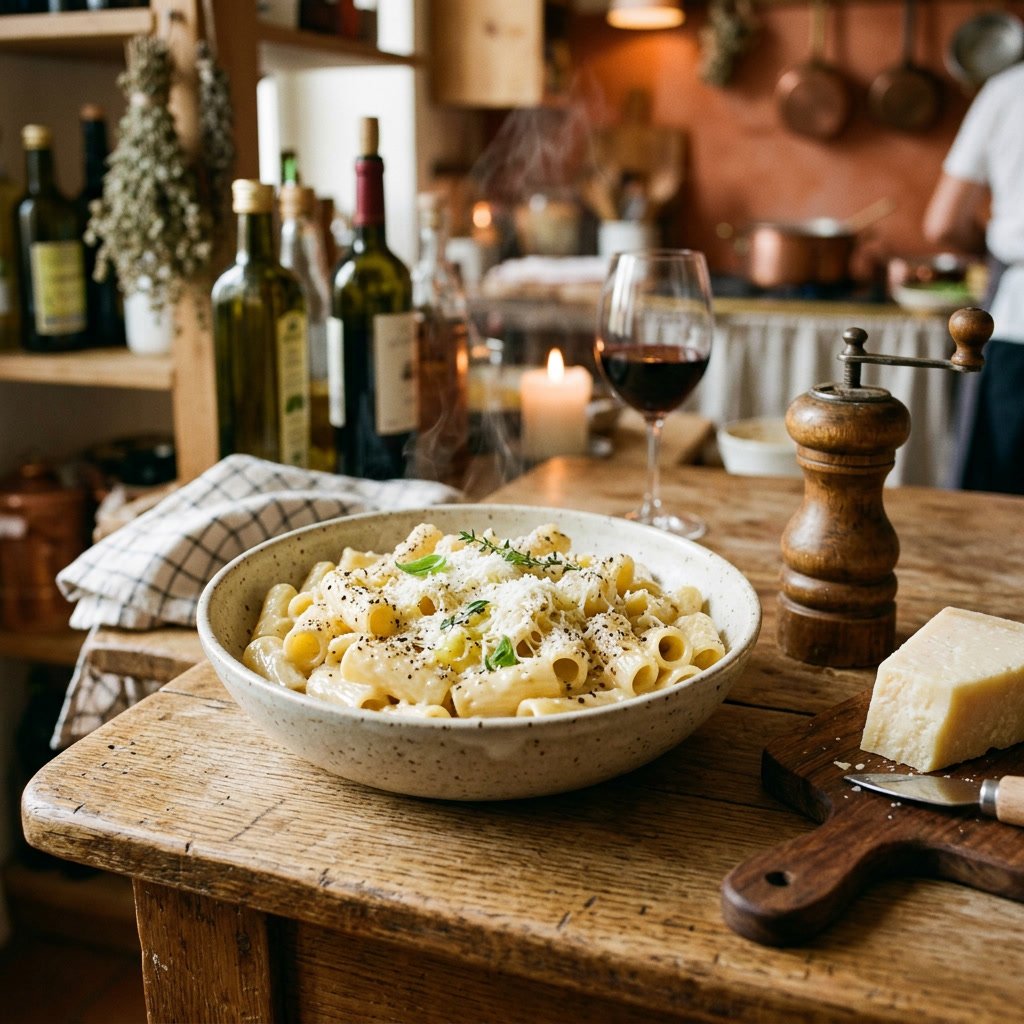
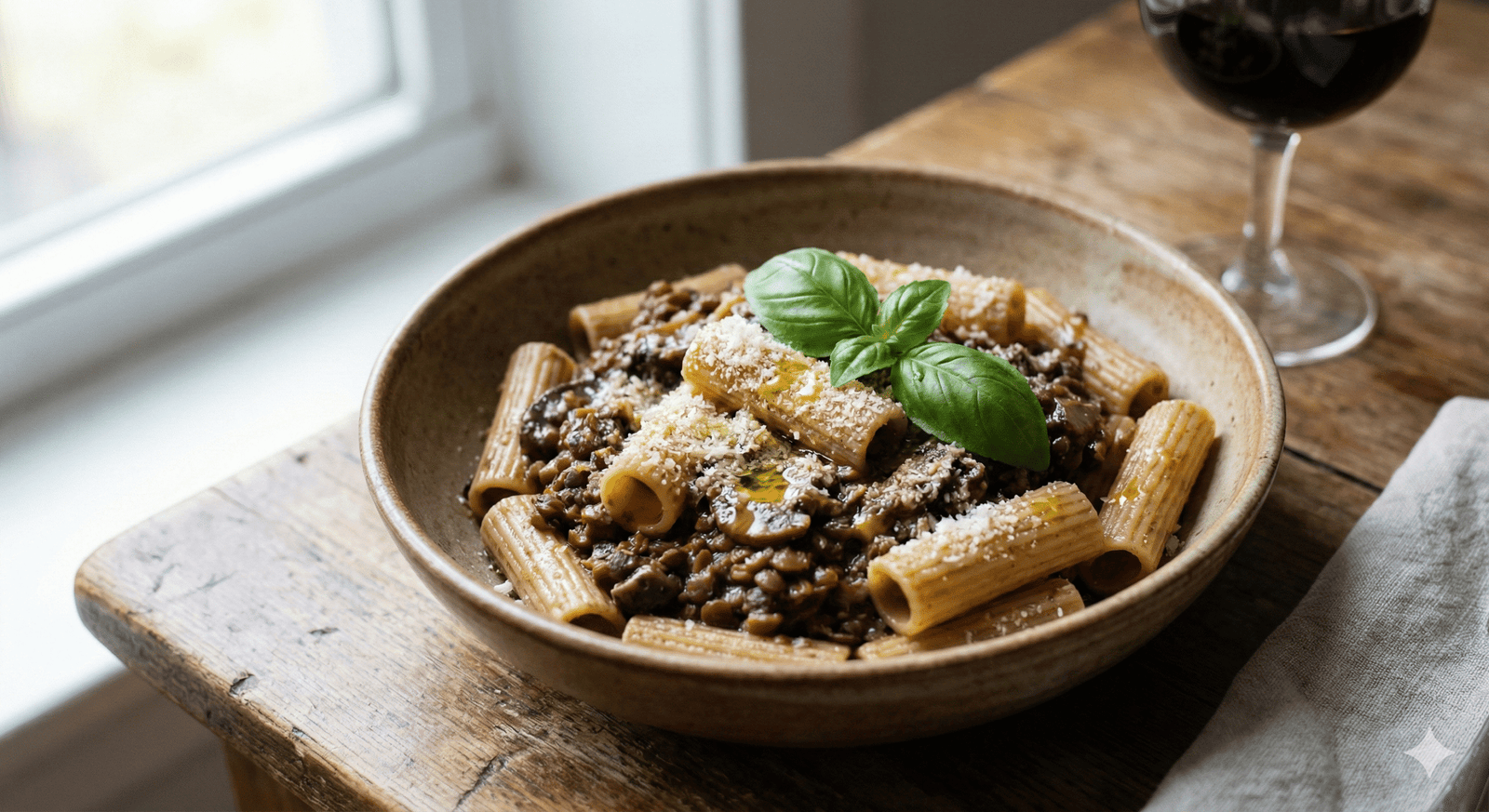
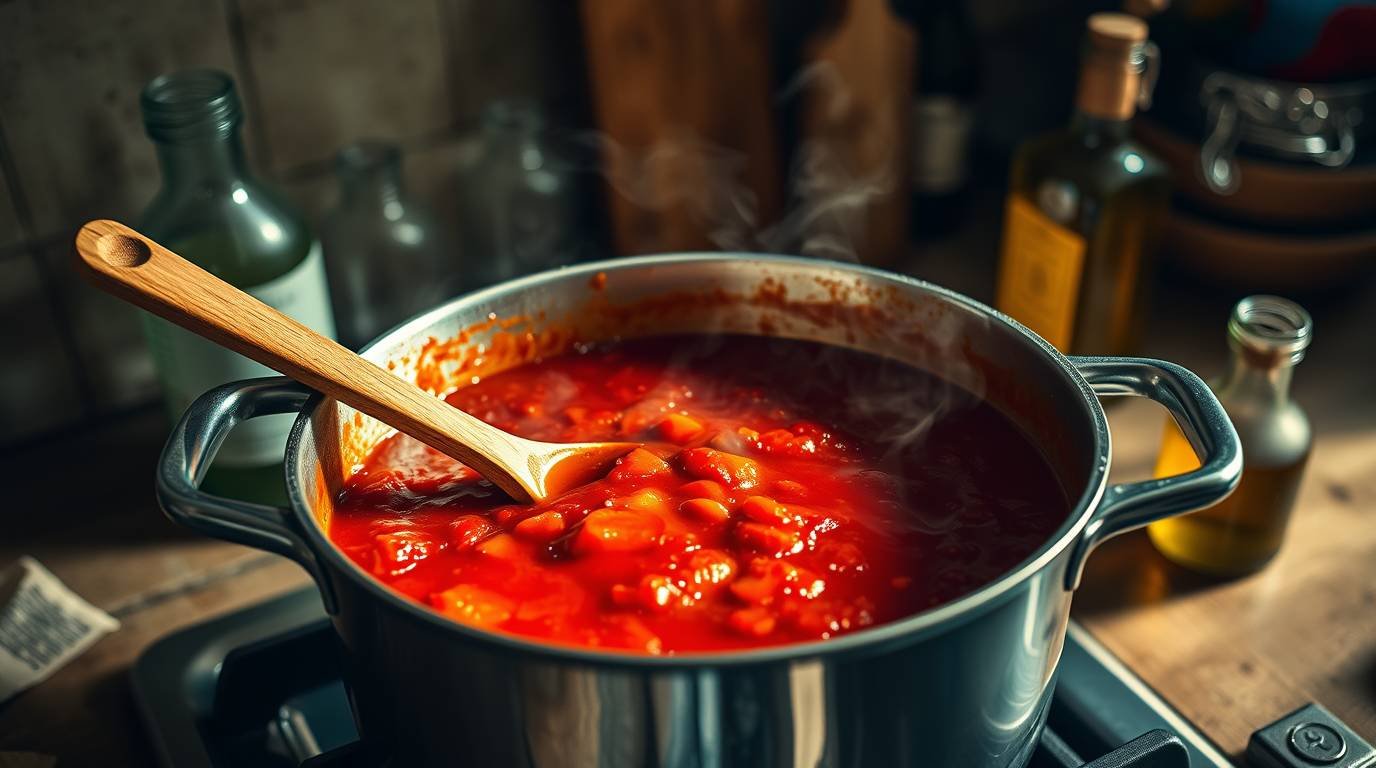
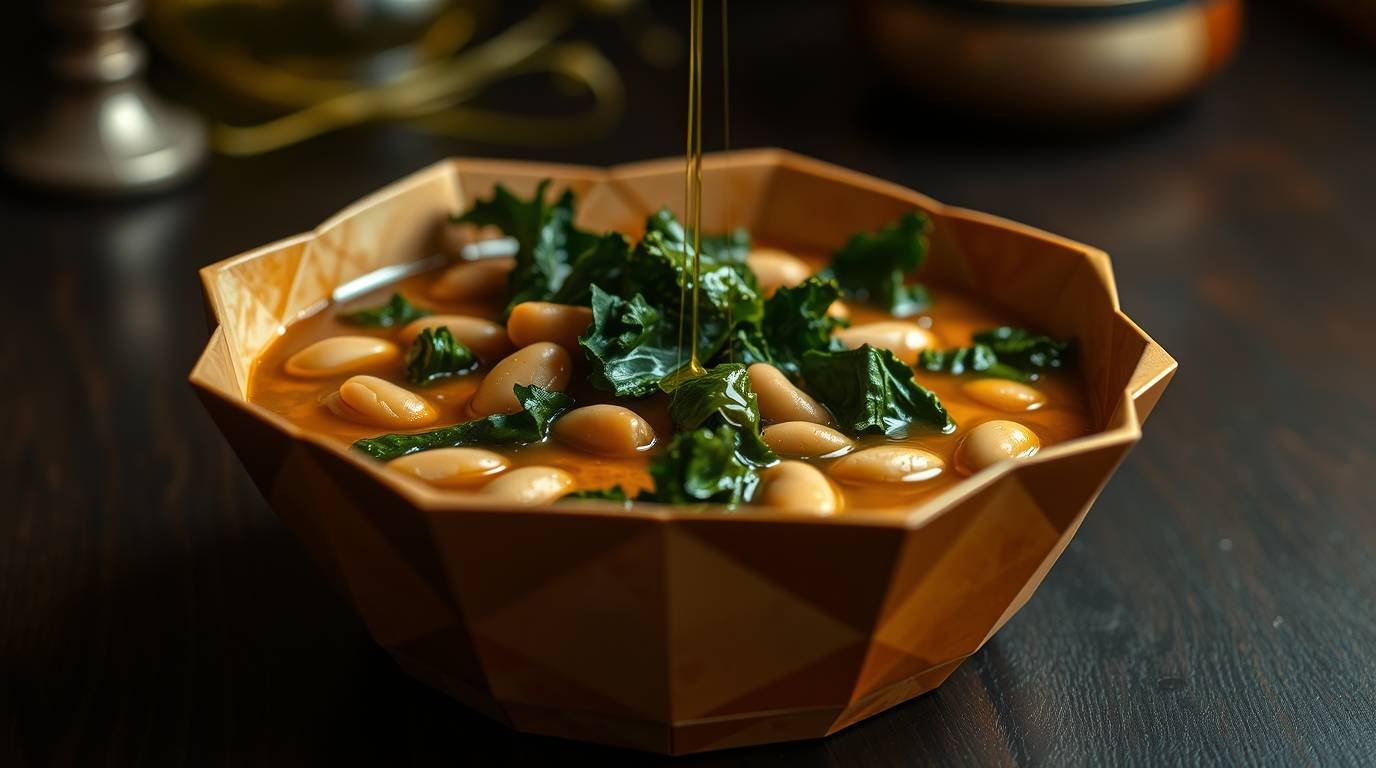
On the other side of the kitchen, roots roasted quietly. Carrots and parsnips—vegetables that asked for nothing fancy—transforming through heat alone. Their sweetness deepened as the hours outside grew darker. Rosemary, added almost without thought, tied everything together with its familiar, grounding aroma.
This dish comes from that moment: the space between preparation and celebration. Creamy polenta as a soft foundation. Roasted winter roots laid gently on top. Olive oil, a little butter, perhaps a touch of cheese if the evening allowed it.
Nothing extravagant. Nothing rushed.
Just a bowl of warmth on Christmas Eve, meant to be eaten slowly—while the house grows quiet, and the year prepares to turn.
How to Make Creamy Polenta with Roasted Winter Roots
Description
Experience the comfort of creamy polenta paired with flavorful roasted winter roots. Perfectly seasoned and ideal for cozy meals.
Ingredients
Instructions
Preparing the Vegetables
-
Preheat the Oven
Preheat your oven to 400°F (200°C) to get it ready for roasting the vegetables.
 Ensure the oven rack is in the middle position for even roasting.
-
Prepare the Roots
Peel and cut the carrots and parsnips into evenly-sized sticks or cubes. Place them into a large mixing bowl.
 Try to keep the size uniform to ensure they cook evenly
-
Season the Vegetables
Drizzle olive oil over the carrots and parsnips. Add a generous pinch of salt, black pepper, and rosemary. Toss everything together until well coated.
 For a deeper flavor, you can add a pinch of lion’s mane or reishi powder if desired.
-
Roast the Vegetables
Spread the seasoned vegetables in a single layer on a baking sheet. Roast in the preheated oven for about 25-30 minutes or until golden and tender, stirring halfway through.
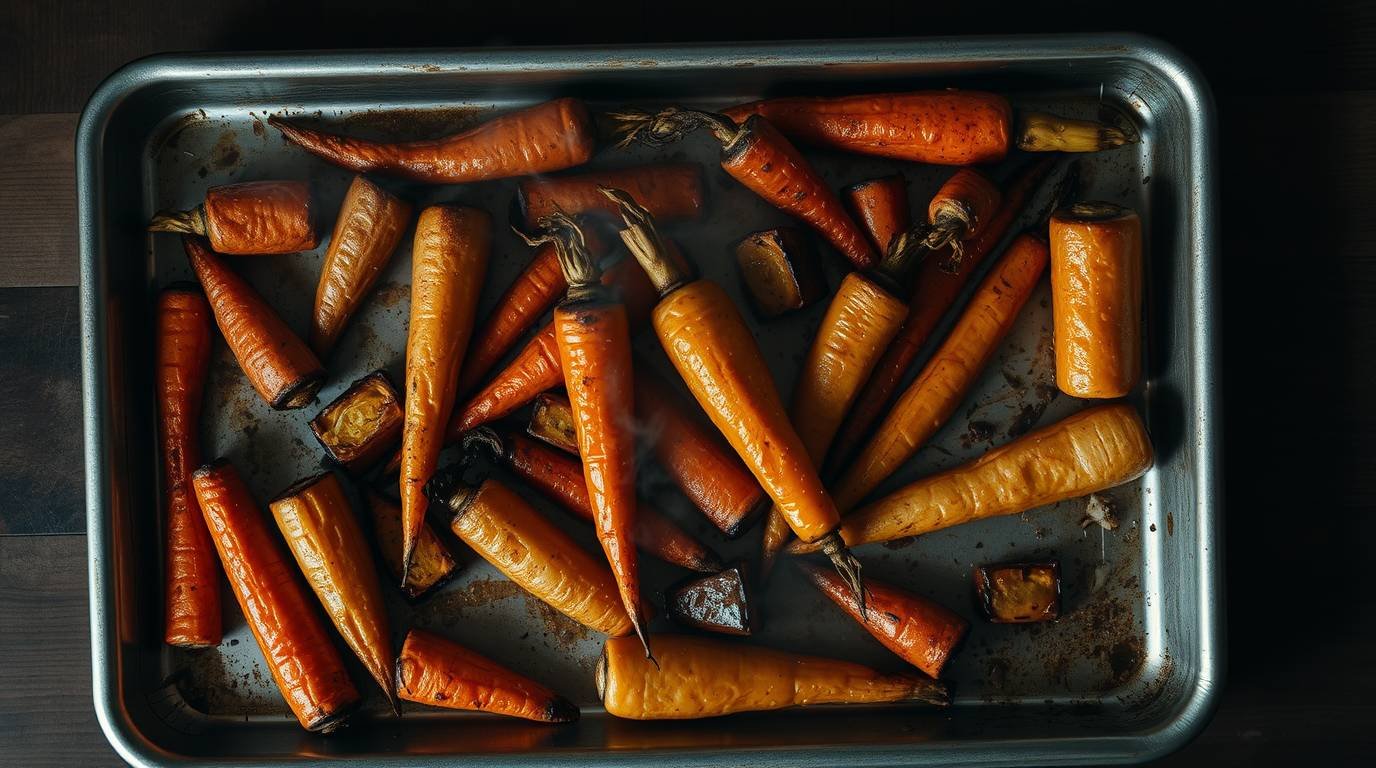 Check occasionally to ensure they are not burning.
Making the Polenta
-
Boil the Liquid
In a medium saucepan, bring 4 cups of milk to a boil. Add a pinch of salt to the water.
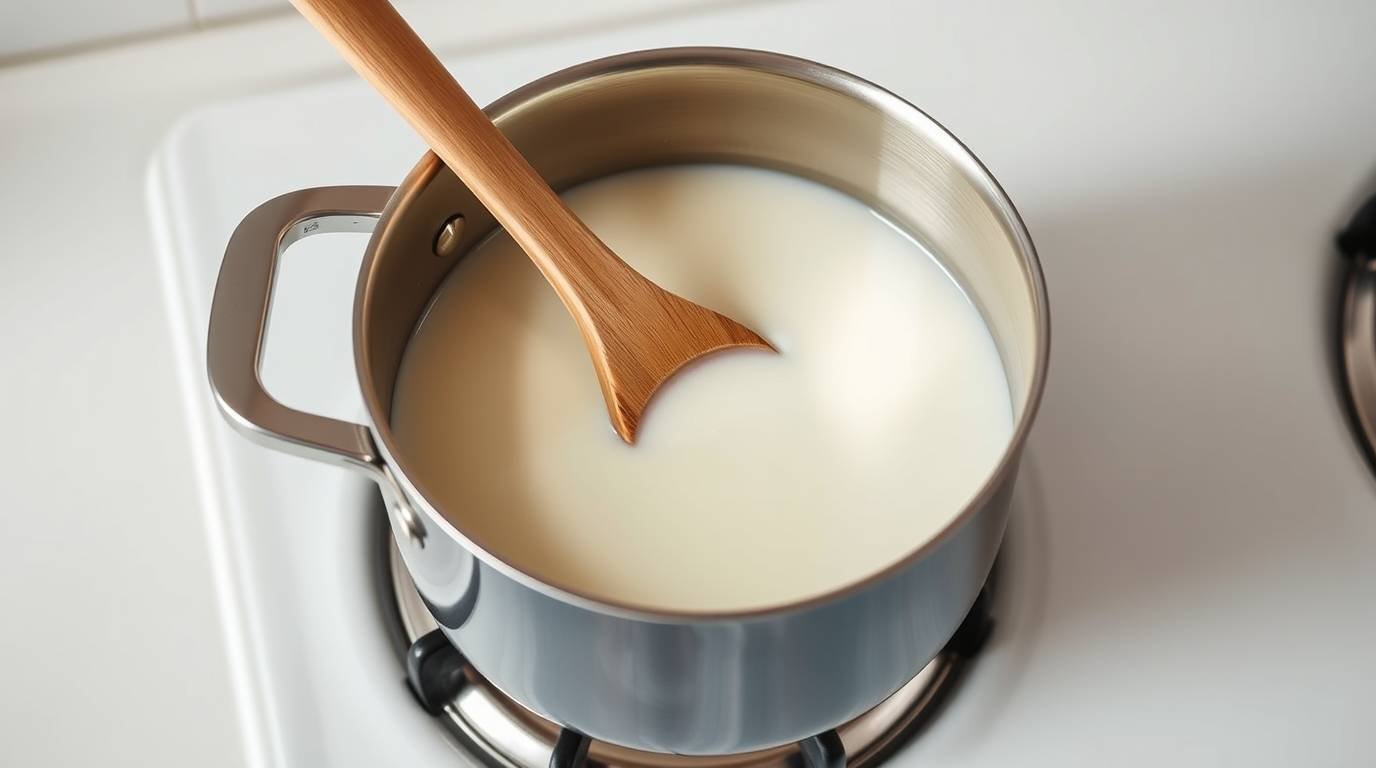 You can substitute half the water with milk, oat milk, or almond milk for a creamier texture.
-
Cook the Polenta
Slowly whisk in 1 cup of yellow cornmeal into the boiling water, stirring continuously to prevent lumps. Reduce the heat to low and continue stirring until the polenta thickens, about 15-20 minutes.
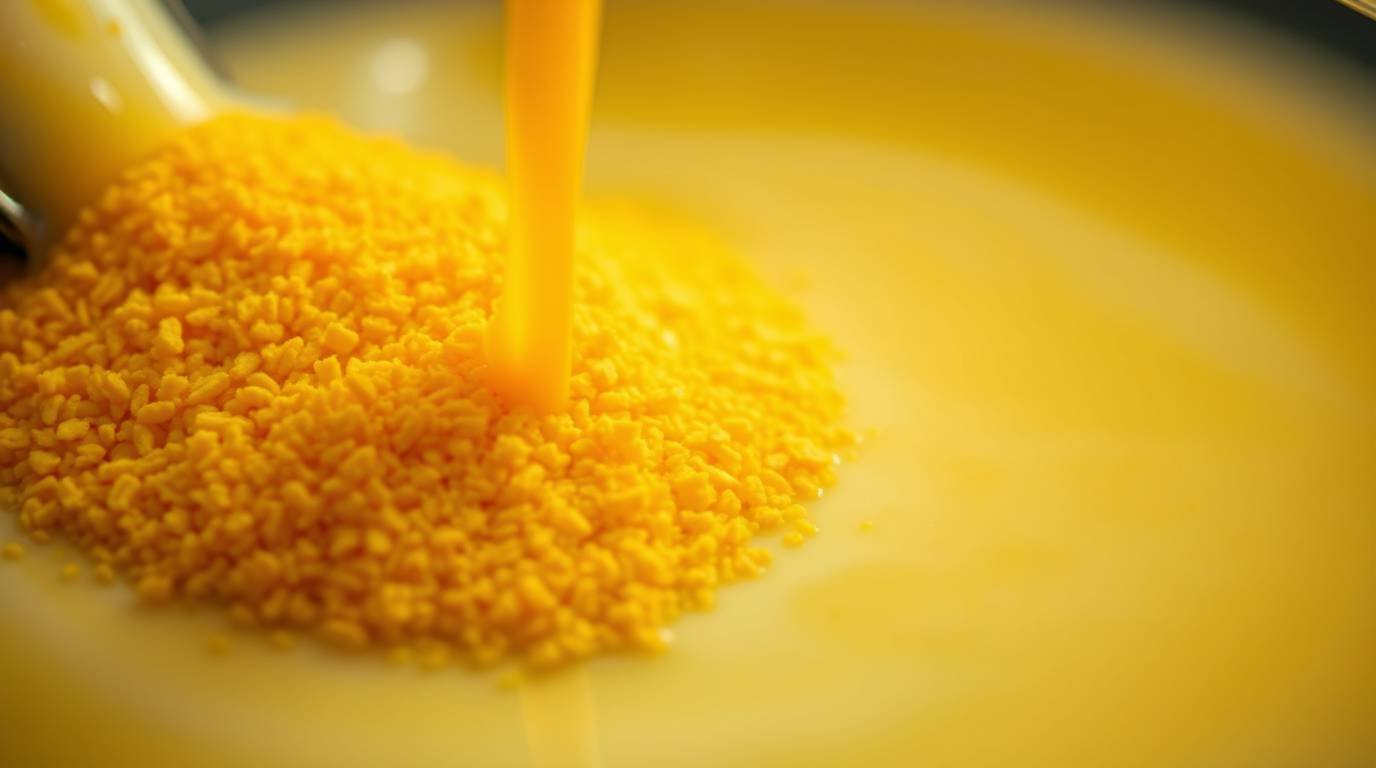 If the polenta becomes too thick, add more liquid to reach your desired consistency.
-
Add Butter and Cheese
Once the polenta is thick and creamy, stir in 2 tablespoons of butter and 1/4 cup of grated Parmesan cheese until melted and well combined.
 For a plant-based option, use plant-based butter and skip the cheese, or use a vegetarian-friendly alternative.
Assembling the Dish
-
Serve the Polenta
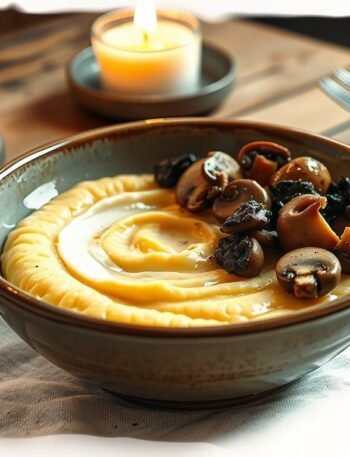
Spoon the creamy polenta onto a warm serving plate or bowl, creating a slight well in the center.
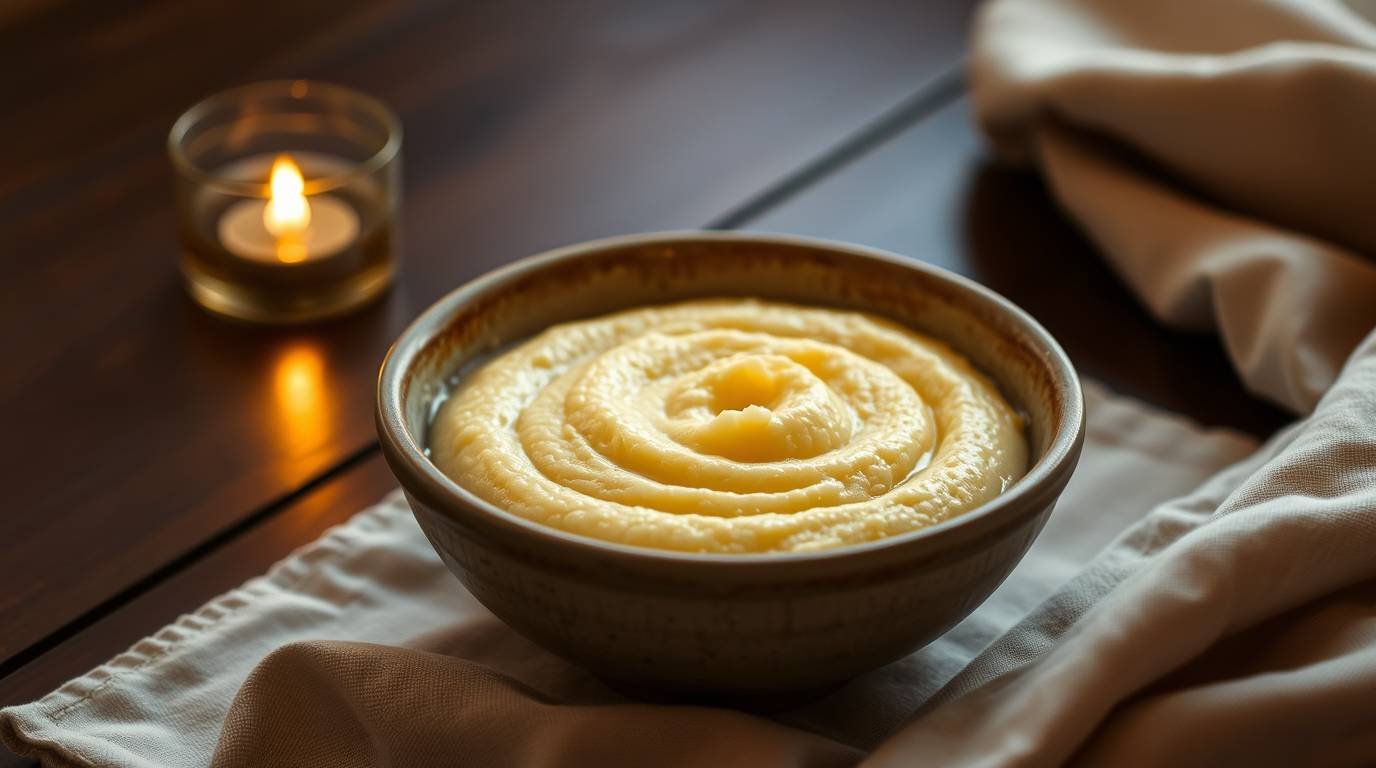 Warm plates help keep the polenta at the right temperature
-
Top with Roasted Vegetables
Arrange the roasted winter roots over the polenta, making sure to get some of the crispy bits from the pan.
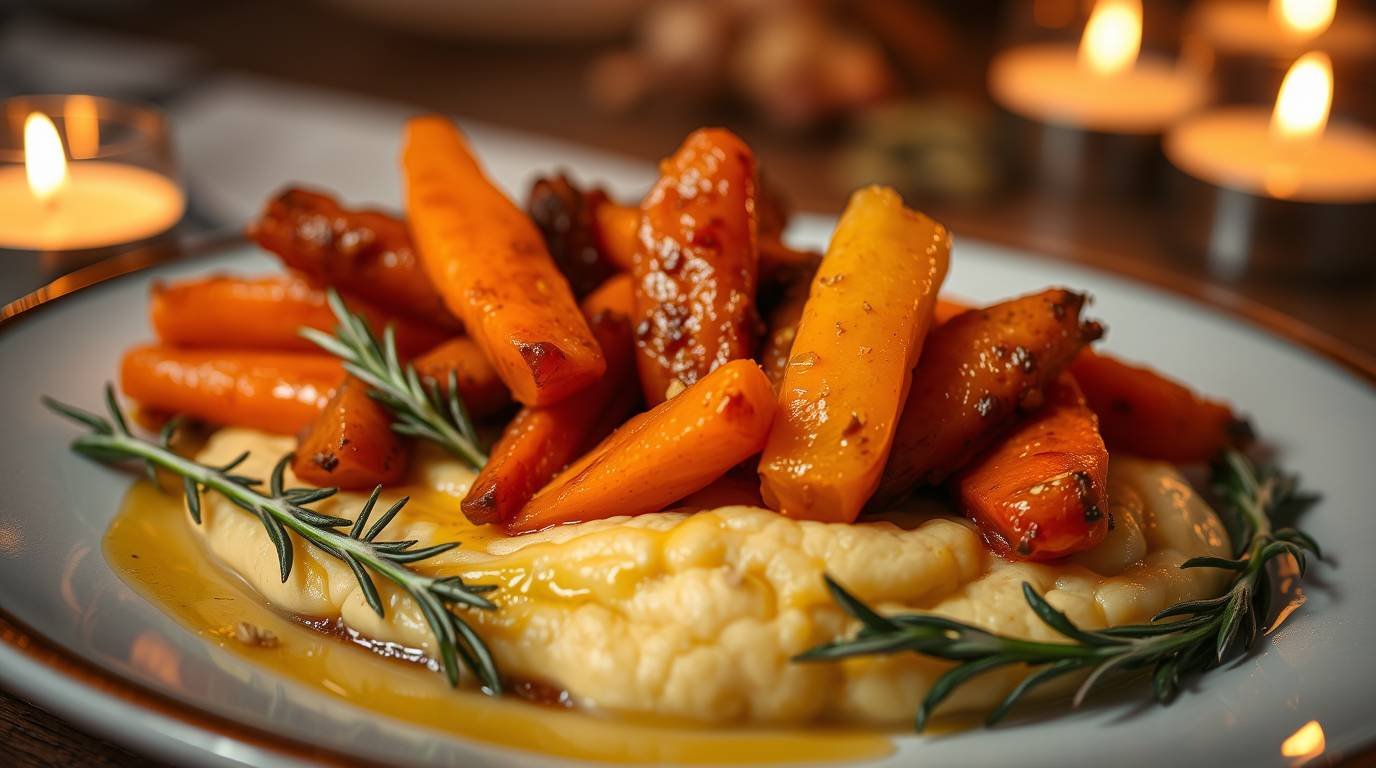 For additional flavor, drizzle with walnut oil or sprinkle with chopped walnuts.
-
Garnish and Serve
Garnish with extra rosemary or Parmesan cheese if desired, and serve immediately.
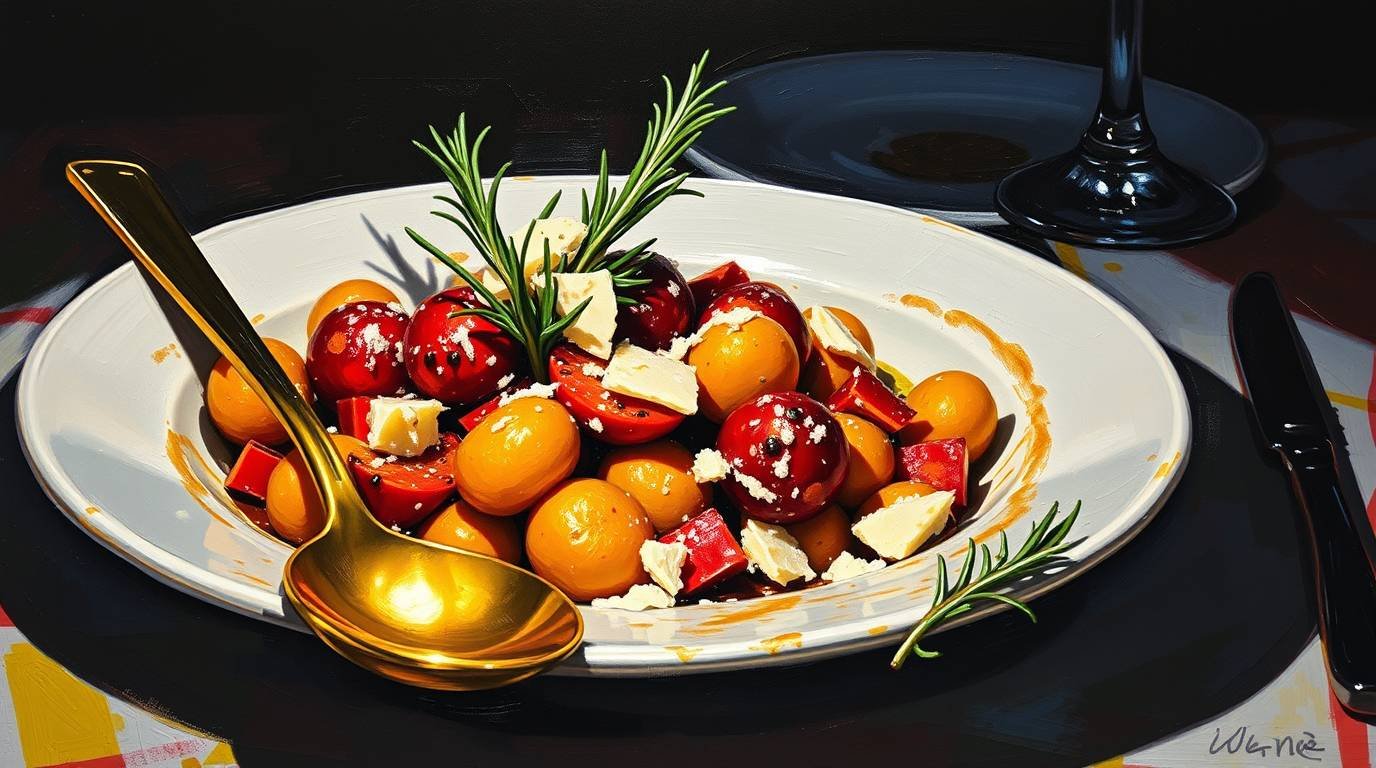 Enjoy this comforting dish while it's warm.
Nutrition Facts
Serving Size 4
- Amount Per Serving
- Calories 2385.76kcal
- % Daily Value *
- Total Fat 123.25g190%
- Saturated Fat 38.35g192%
- Cholesterol 164.22mg55%
- Sodium 1443.24mg61%
- Potassium 4033.28mg116%
- Total Carbohydrate 260.85g87%
- Dietary Fiber 40.29g162%
- Sugars 77.04g
- Protein 69.45g139%
- Vitamin A 26404.04 IU
- Vitamin C 65.02 mg
- Calcium 1712.76 mg
- Iron 9.09 mg
- Vitamin D 10.88 mcg
- Vitamin E 11.37 mg
- Vitamin K 113.75 mcg
- Thiamin 1.56 mg
- Riboflavin 1.91 mg
- Niacin 9.43 mg
- Vitamin B6 2.27 mg
- Folate 396.6 mcg
- Vitamin B12 5.6 mcg
- Pantothenic Acid 7.37 mg
- Phosphorus 1938.32 mg
- Magnesium 475.24 mg
- Zinc 13.07 mg
- Selenium 45.35 mcg
- Copper 1.39 mg
- Manganese 4.3 mg
* Percent Daily Values are based on a 2,000 calorie diet. Your daily value may be higher or lower depending on your calorie needs.
Note
When preparing this recipe, consider the following notes to enhance both flavor and presentation. Use coarse yellow cornmeal for a more rustic texture, and take care to gradually whisk it into the boiling liquid to prevent clumping. Roasting the winter roots such as carrots and parsnips in a mixture of olive oil, rosemary, salt, and pepper will draw out their natural sweetness and add depth to the dish. Adjust the roasting time based on the size of the vegetable pieces to ensure even cooking.
To achieve a creamy consistency in the polenta, incorporate butter and milk progressively, tasting and adjusting the seasoning as you go. For a richer flavor, consider adding finely grated Parmesan towards the end of cooking, allowing it to melt fully into the polenta. Toasted walnuts add a pleasant crunch and can be lightly seasoned with salt before garnishing the dish.
For those interested in experimenting with adaptogens, lion’s mane or reishi powders can be subtly incorporated into the polenta, enhancing the dish with their earthy undertones without overpowering the existing flavors. Always introduce these powders conservatively and allow guests the option to add them as desired
Pin this recipe to share with your friends and followers.

Frequently Asked Questions
Q: Can I substitute an ingredient?
A: Yes, you can substitute sweet potatoes for parsnips if they are unavailable.
Q: How can I store the leftovers?
A: Leftovers can be stored in an airtight container in the fridge for up to 3 days. Reheat thoroughly before serving.
Q: What should I serve this with?
A: This dish pairs well with a fresh green salad or roasted chicken for a complete meal.
Q: Is there a vegan option?
A: You can use plant-based butter and oat milk or almond milk to make it vegan-friendly.
Q: Can I add adaptogens to this recipe?
A: Yes, you can optionally add Lion’s Mane powder or Reishi powder for an extra boost.

You may also like...