How to Make Italian Ricotta Gnudi with Brown Butter Sage


Introduction
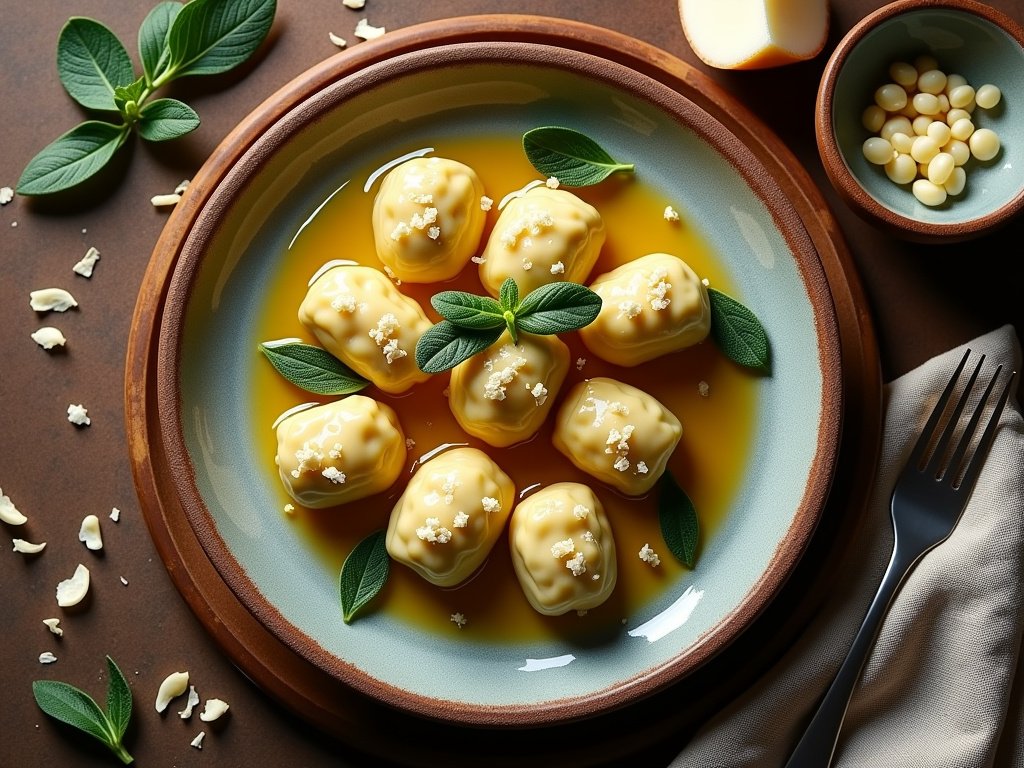
Indulge in the delicate and luscious experience of Italian Ricotta Gnudi, a dish that embodies the essence of Italian culinary artistry. These gnudi are tender pillows of ricotta, bound together with the subtle flavors of Parmigiano-Reggiano and a hint of lemon zest. When paired with a simple yet elegant brown butter sage sauce, they transform into a truly comforting and sophisticated meal that delights the senses.
✅ MARC0’S SHORT STORY (EsoterrisTable Tone)
Marco remembers this dish from a tiny trattoria outside Ladispoli, where the chef whispered:
“Le cose più semplici sono le più difficili, ragazzo.”
“The simplest things are the hardest.”
He was right.
Gnudi may look like a humble dish—but they require trust, gentleness, and a light touch.
Exactly the qualities Marco learned too late in life… and now cooks into every plate he serves.
✅ LIRA’S MAGICAL INSIGHT
In the soft melt of the gnudi, Lira sees the rune Laguz—flow, surrender, nourishment.
Perfect for comforting the Heart Chakra and releasing emotional tension.
✅ TAROT CORRESPONDENCE
The Empress — nourishment, softness, abundance.
This dish is her energy on a plate.
Origin and Cultural Significance
The origins of gnudi can be traced back to the rich culinary traditions of Tuscany, a region celebrated for its rustic yet refined cuisine. The word “gnudi” itself is derived from the Tuscan dialect, meaning “nude,” which perfectly describes these dumplings as they are essentially ravioli filling, without the pasta wrapping. This simplicity highlights the Italian philosophy of using a few high-quality ingredients to create extraordinary flavors. Gnudi have long been a part of Italian home cooking, cherished for their ease and the way they showcase the fresh, local ingredients of the region. Traditionally, they have been a staple in family gatherings and festive occasions, where their lightness offers a delightful contrast to the hearty meats and robust wines often served. This dish is a testament to the Italian dedication to culinary excellence, where even the simplest ingredients are treated with respect and creativity.
Unique Ingredients and Flavors
The star of this recipe is ricotta, a fresh cheese known for its creamy texture and mild flavor. In making gnudi, the ricotta is drained well to remove excess moisture, ensuring that the dumplings hold their shape during cooking. The addition of Parmigiano-Reggiano, with its nutty and savory notes, enhances the richness of the ricotta, while lemon zest adds a refreshing brightness that balances the dish. Another key element is the nutmeg, a spice that is often used sparingly in Italian cooking for its warm, aromatic qualities. In gnudi, it provides a subtle depth of flavor that complements the cheese and citrusy undertones beautifully. The combination of these ingredients is seasoned with just the right amount of salt and pepper, allowing each component to shine.
Cooking Techniques and the Art of Simplicity
Crafting gnudi requires a gentle touch and patience, as the delicate nature of the ricotta demands careful handling. The dough is formed by mixing the ingredients to create a soft, cohesive mixture that is then shaped into small dumplings. A light dusting of flour prevents sticking and helps the gnudi maintain their form as they are cooked. The cooking process itself is straightforward yet requires attention to detail. The gnudi are simmered gently in salted water until they rise to the surface, indicating they are cooked through. This method ensures they remain tender and melt-in-your-mouth without falling apart. Accompanying the gnudi is the brown butter sage sauce, a classic Italian preparation that elevates the dish with its nutty, aromatic flavors. The butter is melted slowly until it achieves a golden hue and a rich, nutty aroma. Fresh sage leaves are then added, infusing the butter with their earthy fragrance. A squeeze of lemon juice introduces a tangy contrast that cuts through the richness of the butter, while optional red pepper flakes can be added for a hint of heat.
A Culinary Experience to Savor
This dish is a celebration of Italian culinary tradition, where the focus is on allowing the quality of each ingredient to speak for itself. Italian Ricotta Gnudi with Brown Butter Sage is not just a meal; it is an experience that transports you to the sun-drenched hills of Tuscany with every bite. Whether served as a starter or the main course, it promises to enchant your palate with its simple elegance and unforgettable flavors.
How to Make Italian Ricotta Gnudi with Brown Butter Sage
Description
This recipe for Italian Ricotta Gnudi features light, pillowy dumplings made from ricotta cheese, served with a rich and aromatic brown butter sage sauce.
Ingredients
Instructions
Prepare the Gnudi Dough
-
Mix Ingredients
In a mixing bowl, combine the well-drained ricotta, grated Parmigiano-Reggiano, egg, all-purpose flour, lemon zest, nutmeg, salt, and pepper. Stir until all ingredients are thoroughly mixed and form a soft dough.
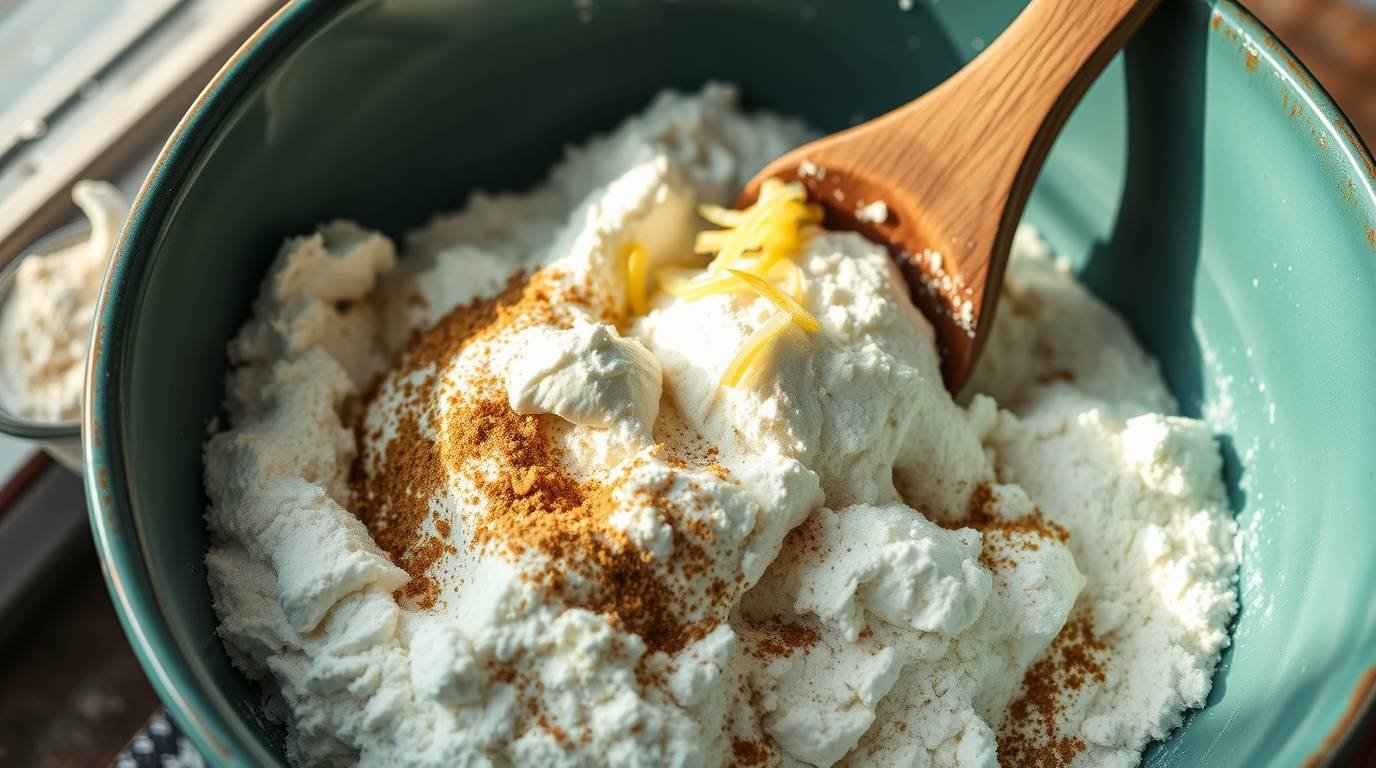 Ensure the ricotta is well-drained to avoid overly wet dough, which may require additional flour
-
Shape the gnudi.
Lightly dust a clean surface with flour. Using your hands, shape the dough into small balls or oval shapes, about the size of a walnut. Roll them gently in the flour to coat lightly.
 The gnudi should be firm enough to hold their shape but still soft. Add more flour if the dough is too sticky.
Cook the Gnudi
-
Boil the Gnudi
Bring a large pot of salted water to a gentle boil. Carefully drop the gnudi into the water. Cook until they float to the surface, then continue cooking for an additional 2–3 minutes.
 Avoid overcrowding the pot; cook in batches if necessary.
-
Drain the Gnudi
Using a slotted spoon, gently remove the gnudi from the pot and transfer them to a plate lined with paper towels to drain any excess water.
 Handle the gnudi gently to prevent them from breaking apart.
Prepare the Brown Butter Sage Sauce
-
Melt the Butter
In a large skillet over medium heat, melt the unsalted butter. Allow it to cook until it starts to turn a golden brown and releases a nutty aroma.
 Watch the butter closely to prevent it from burning.
-
Add Sage Leaves
Add the fresh sage leaves to the browned butter. Cook for a minute or until the leaves become crisp.
 For an extra kick, add a pinch of red pepper flakes if desired.
-
Combine with Gnudi
Add the cooked gnudi to the skillet with the brown butter sage sauce. Gently toss to coat each gnudi with the sauce.
 Serve immediately with a squeeze of lemon for a bright finish.
PAIRING DRINK
-
A refreshing Italian herbal pairing:
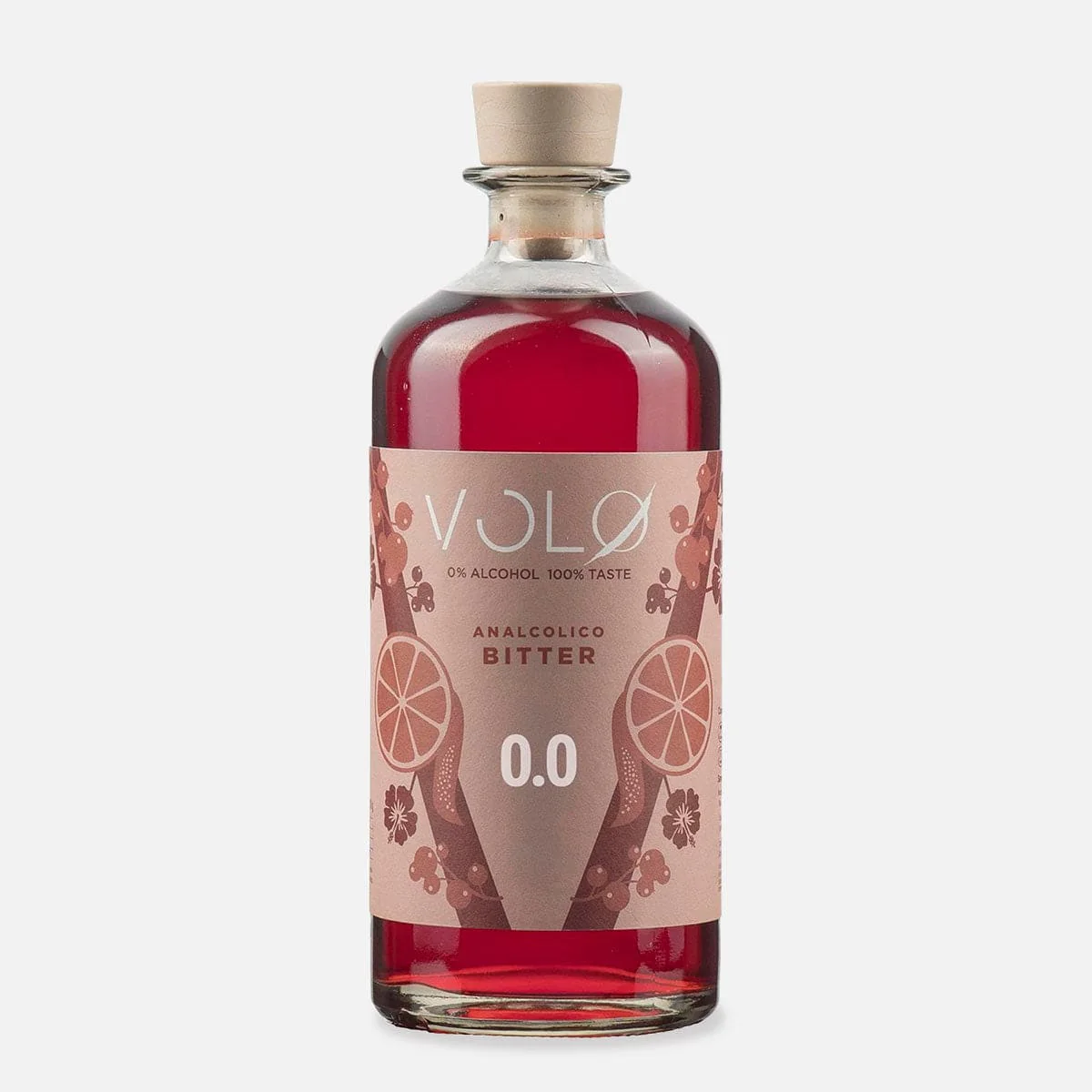
Vol0 Bitter 0.0 – The Italian Non-Alcoholic Aperitif
SEE NOTES BELOW
Nutrition Facts
Serving Size 2
- Amount Per Serving
- Calories 1334.2kcal
- % Daily Value *
- Total Fat 95.86g148%
- Saturated Fat 59.21g297%
- Cholesterol 444.56mg149%
- Sodium 1306.4mg55%
- Potassium 514.3mg15%
- Total Carbohydrate 60.47g21%
- Dietary Fiber 3.19g13%
- Sugars 2.35g
- Protein 58.73g118%
- Vitamin A 3728.55 IU
- Vitamin C 13.57 mg
- Calcium 1170.99 mg
- Iron 5.48 mg
- Vitamin D 2.47 mcg
- Vitamin E 2.98 mg
- Vitamin K 9.93 mcg
- Thiamin 0.57 mg
- Riboflavin 1.2 mg
- Niacin 4.42 mg
- Vitamin B6 0.32 mg
- Folate 174.71 mcg
- Vitamin B12 1.93 mcg
- Pantothenic Acid 1.82 mg
- Phosphorus 915.97 mg
- Magnesium 75.54 mg
- Zinc 5.43 mg
- Selenium 82.94 mcg
- Copper 0.97 mg
- Manganese 0.54 mg
* Percent Daily Values are based on a 2,000 calorie diet. Your daily value may be higher or lower depending on your calorie needs.
Note
Vol0 Bitter 0.0 – The Italian Non-Alcoholic Aperitif
When preparing the ricotta for the gnudi, ensure it is well-drained to prevent the mixture from becoming too wet, which can cause the gnudi to lose their shape. A cheesecloth or fine-mesh strainer works best for this process, allowing the ricotta to lose excess moisture while retaining its creamy texture.
Incorporate the Parmigiano-Reggiano thoroughly to distribute its savory, umami-rich flavor evenly throughout the dough. When zesting the lemon, avoid the white pith to prevent bitterness, as the zest will impart a bright, aromatic note that complements the richness of the cheese and butter.
When forming the gnudi, dust your hands and work surface with flour to prevent sticking. Shape them gently to avoid overworking the dough, which can make them tough. After forming, a light dusting of flour over the gnudi will help them maintain their form during cooking.
For the brown butter sage sauce, carefully melt the butter over medium heat. Allow it to foam and turn a golden brown, releasing a nutty aroma. Add the sage leaves towards the end to infuse the sauce with their earthy fragrance without burning them. A squeeze of lemon at the end brightens the dish, cutting through the richness of the butter.
If desired, a sprinkle of red pepper flakes can add a subtle heat to the sauce, offering a pleasant contrast to the gnudi's creamy interior. Serve the gnudi immediately after tossing in the sauce to enjoy their delicate, tender texture at its best.
Essence of the Dish
The Italian Ricotta Gnudi with Brown Butter Sage Sauce is a celebration of simplicity and elegance. Each pillow-like gnudi bursts with a creamy texture, enriched by the nutty depth of Parmigiano-Reggiano and the subtle zest of lemon. The nutmeg adds a warm, aromatic note, enhancing the overall flavor profile. When paired with the brown butter sage sauce, these gnudi transform into a dish that is both comforting and sophisticated, with the sage's earthy aroma and the butter's rich, golden hue providing a perfect finish.
Personal Reflections
Preparing this dish is akin to participating in a timeless Italian tradition, inviting the cook to connect with centuries of culinary artistry. The process of crafting gnudi reminds one of the delicate balance between technique and creativity. This recipe has provided moments of joy in my kitchen, where the simple act of mixing, shaping, and cooking creates an atmosphere of warmth and anticipation. Each bite evokes memories of family gatherings and festive occasions.
Serving Suggestions and Variations
Serve the gnudi immediately, allowing the sauce to gently coat each piece. Pair with a crisp white wine to complement the richness of the dish. For a variation, consider adding a sprinkle of red pepper flakes for a hint of heat or incorporating sautéed mushrooms for added umami.
Storing Leftovers
Store any leftover gnudi in an airtight container in the refrigerator for up to two days. Reheat gently in a skillet with a bit of butter to preserve the delicate texture.
Encouragement and Engagement
I encourage you to try this recipe, savoring the pleasure of creating something truly authentic. Feel free to share your experiences or any questions you might have. Engaging with this dish offers not only a delightful meal but also a connection to the rich tapestry of Italian cuisine.
Pin this recipe to share with your friends and followers.

Frequently Asked Questions
Q: Can I make the gnudi ahead of time?
A: Yes, you can prepare the gnudi up to a day in advance and store them in the refrigerator on a floured baking sheet covered with plastic wrap.
Q: What can I use instead of sage in the sauce?
A: If you don't have sage, you can use fresh thyme or oregano as an alternative, though the flavor will be slightly different.
Q: How do I know when the gnudi are cooked?
A: The gnudi are done when they float to the surface of the boiling water, which usually takes about 2–3 minutes.
Q: Can I freeze the gnudi?
A: Yes, you can freeze the gnudi before cooking. Place them on a baking sheet until they are firm, then transfer them to a freezer-safe bag for up to 2 months. Cook from frozen, adding an extra minute to the cooking time.
Q: What type of ricotta is best for gnudi?
A: Whole-milk ricotta is recommended for a creamier texture, and it's important to drain it well to avoid excess moisture in the dough.

You may also like...