How to Make Sicilian Lemon Ricotta Pasta: A Light and Creamy Italian Dish


INTRODUCTION — With Marco DeLuca
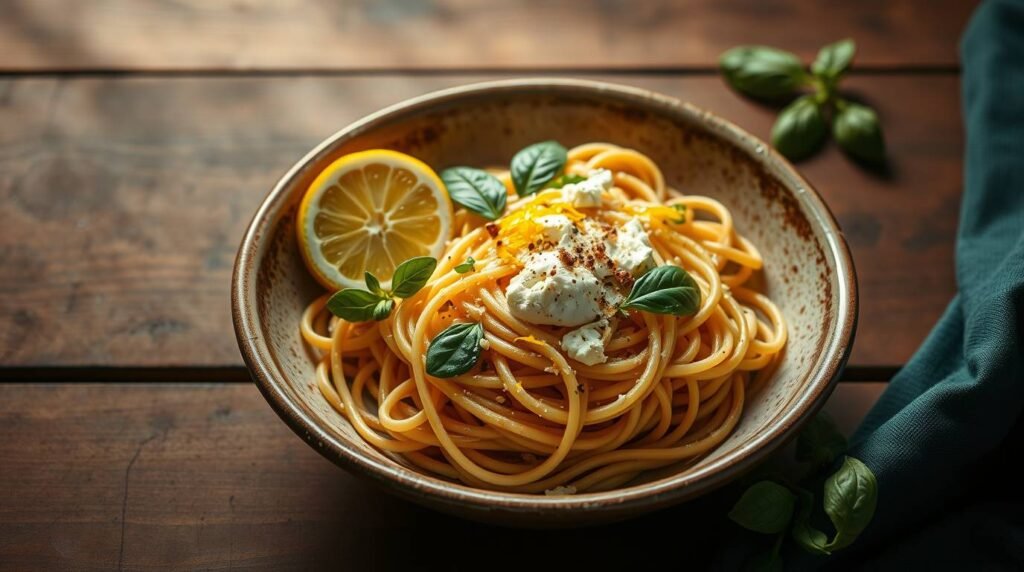
Sicilian Lemon Ricotta Pasta is more than a bright, refreshing dish—it is a moment of sunlight on the tongue. Marco DeLuca always said that when a recipe tastes like hope, you know you’re cooking it right. And this pasta, with its gentle creaminess and sharp kiss of lemon, tasted exactly like that.
On warm afternoons in Napa, Marco often stood by the window of his little kitchen, zesting an organic Sicilian lemon as the California light streamed in. “This,” he would say, holding the zest between his fingers, “is what Sicily smells like in the morning.” The fresh ricotta waiting in the bowl beside him softened into a cloud-like cream, ready to meet the citrus.
Together, they created a sauce that was both comforting and invigorating—light enough for summer, but rich enough to make the soul sigh.
The Heart of Sicilian Cuisine — As Marco Remembers It
For Marco, Sicilian food was never just food. It was a map of history—Arabs, Greeks, Normans, Spaniards—all leaving breadcrumbs across the island. He used to joke that Sicily was the world’s first culinary Google Drive: everyone uploaded something.
He explained it often to Lira:
“Sicilian food looks simple because the land does the heavy lifting.
You taste lemon, basil, ricotta—and the whole island wakes up.”
Ricotta, with its humble origins in “recocta” (recooked), was his personal symbol of resilience.
“Even leftovers can be reborn,” he’d say.
“And they can become something beautiful.”
The Brightness of Lemon — Marco’s Signature
Lemon in Marco’s hands was never just an ingredient.
It was energy.
He believed each lemon held a bit of the sun, and when you added zest to ricotta, you were performing a tiny ceremony—calling warmth into the body. The aroma alone could change a mood, lift a day, or remind someone that life still had sweetness waiting.
This dish uses both zest and juice to create a sauce that is creamy, tangy, and full of Sicilian character—exactly the way Marco prepared it when he needed clarity or courage.
The Art of Balancing Flavors — Marco’s Quiet Philosophy
Marco often taught that cooking was a negotiation between elements:
- Ricotta’s soft creaminess
- Lemon’s luminous brightness
- Olive oil’s grounding richness
- Garlic’s whisper, never shout
- Parmesan’s umami depth
- Basil’s fragrant lift
“Balance,” he’d say, “is when nothing fights, and everything sings.”
This dish captures that philosophy perfectly. Each ingredient harmonizes with the next, creating a meal that feels both simple and layered.
Optional Adaptogens — Marco’s Modern Touch
Although Marco respected tradition, he was never afraid to innovate—quietly.
On some evenings, especially during his healing journey, he stirred a pinch of adaptogens into the warm ricotta:
- Lion’s Mane for clarity
- Ashwagandha for grounding
- Pine Pollen for inner strength
- Rhodiola for stamina
He always added them gently, “so the pasta keeps its soul, not its bitterness.”
These options enhance wellness without overshadowing the Italian heart of the recipe—a perfect EsoterrisTable signature.
Cooking Technique — The Way Marco Does It
Marco believed that technique could be taught, but intention had to be felt.
He cooked the pasta al dente, always saving a ladle of starchy water “to make the sauce glide.”
He crushed garlic gently “to let it perfume, not dominate.”
He grated the lemon zest finely “so its oils open like a secret.”
He tore the basil by hand “to keep its spirit alive.”
These small gestures made the dish come alive—simple, honest, elegant.
Closing — A Bowl of Sicilian Sunlight
In the end, Sicilian Lemon Ricotta Pasta is everything Marco loves about Italian cooking:
freshness, simplicity, purity, emotion.
Each bite carries a hint of sun-drenched Sicily, a breath of coastal air, and a quiet reminder—one Marco shares with every guest at his table:
“Food is how we remember who we are becoming.”
How to Make Sicilian Lemon Ricotta Pasta: A Light and Creamy Italian Dish
Description
This pasta dish features the zesty flavor of lemon and the smooth texture of ricotta cheese, creating a refreshing and creamy meal that's ideal for any occasion.
Ingredients
Instructions
Preparing the Ingredients
-
1. Gather and Measure Ingredients
Have everything measured and ready: pasta, ricotta, lemon zest, lemon juice, olive oil, garlic, Parmesan, basil, salt, pepper—and adaptogen if using.
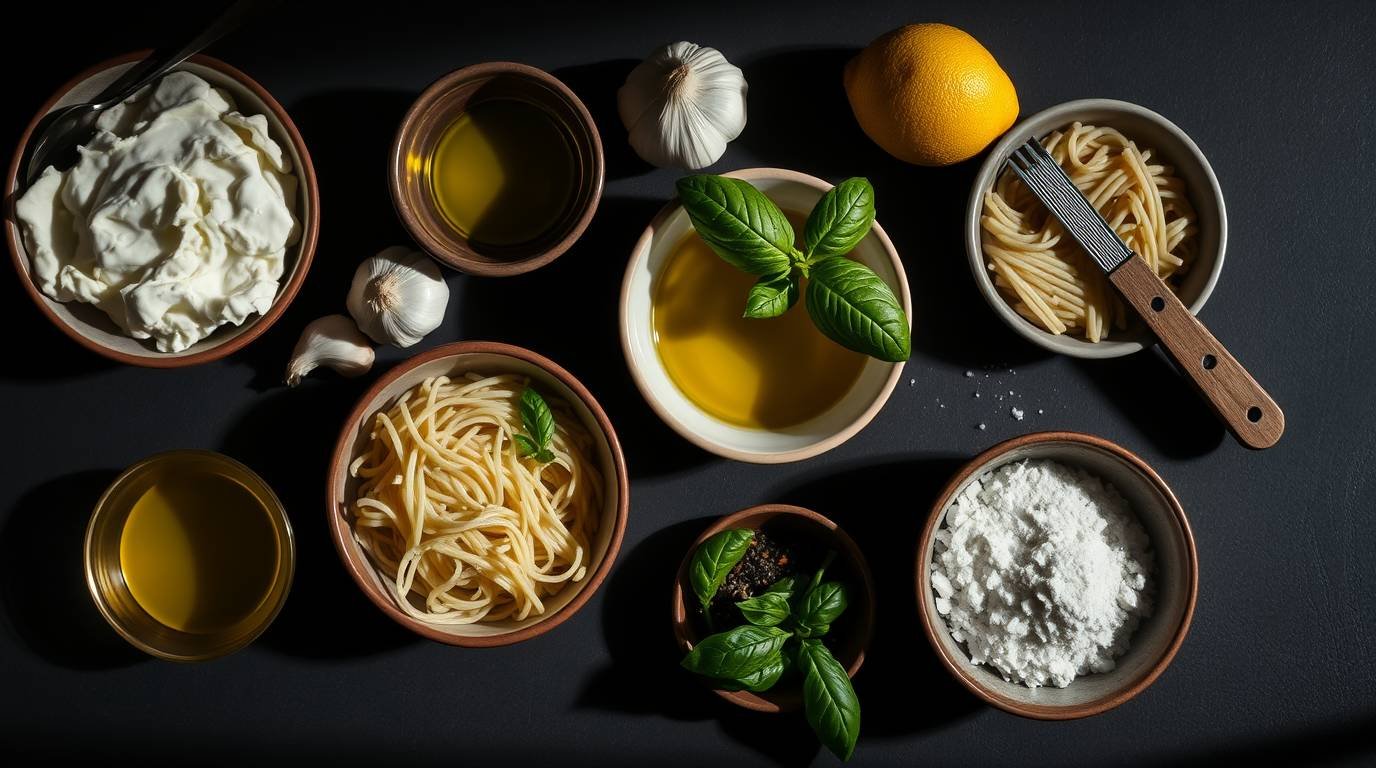 Tip: Place the adaptogen beside the ricotta; this ensures it blends into fat first, the best masking method.
Cooking the Pasta
-
2. Boil the Pasta
Bring a large pot of generously salted water to a boil. Cook linguine or fettuccine until al dente.
Before draining, reserve 1 cup of starchy pasta water.
This starch is essential for thinning the ricotta AND dispersing the adaptogen smoothly.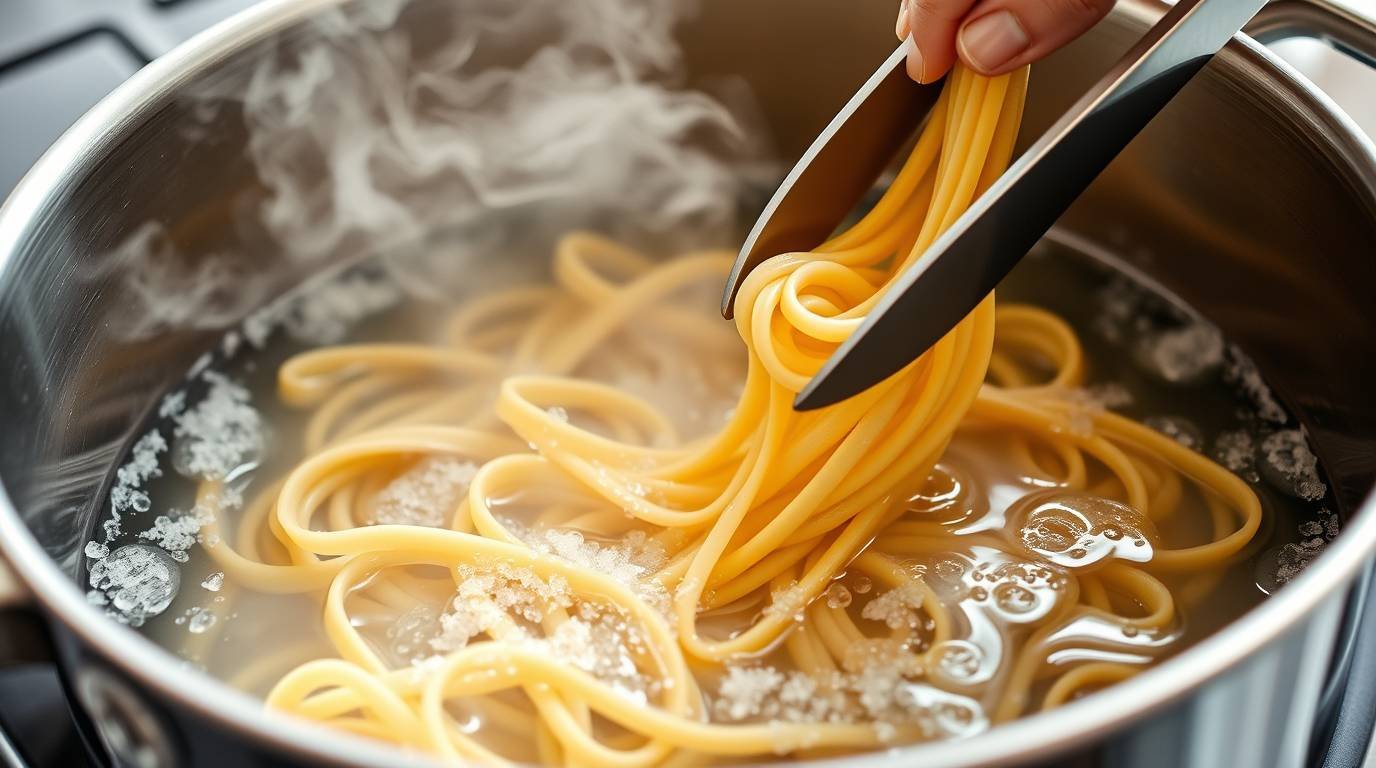
Preparing the Sauce
-
3. Infuse the Oil
In a wide pan, warm olive oil over low heat. Add the gently crushed garlic clove for 1–2 minutes, then remove it.
This gives a light flavor without interfering with the delicate lemon-ricotta base.

4. Mix the Ricotta, Lemon, and (Optional) Adaptogen
-
In a mixing bowl:
- Add ricotta
- Add lemon zest
- Add lemon juice
- Add your chosen adaptogen (if using)
- Add 2–3 tbsp warm pasta water
- Stir until velvety
Why this step matters:
Adaptogens become undetectable when mixed with fat (ricotta), citrus oils (zest), and umami (Parmesan later).
This is your main flavor-shielding stage.
- Add ricotta
-
5. Combine Ingredients
Add the cooked pasta to the pan with the garlic-infused oil.
Pour in the ricotta-lemon-adaptogen mixture.
Gently toss until every strand is coated. Add pasta water as needed to reach a silky consistency.

Final Touches
-
6. Add Grated Parmesan
Sprinkle in the Parmesan and toss until melted into the sauce.
This is the strongest masking step—the umami completely absorbs any remaining earthiness.

-
7. Season and Garnish
Add sea salt and black pepper to taste.
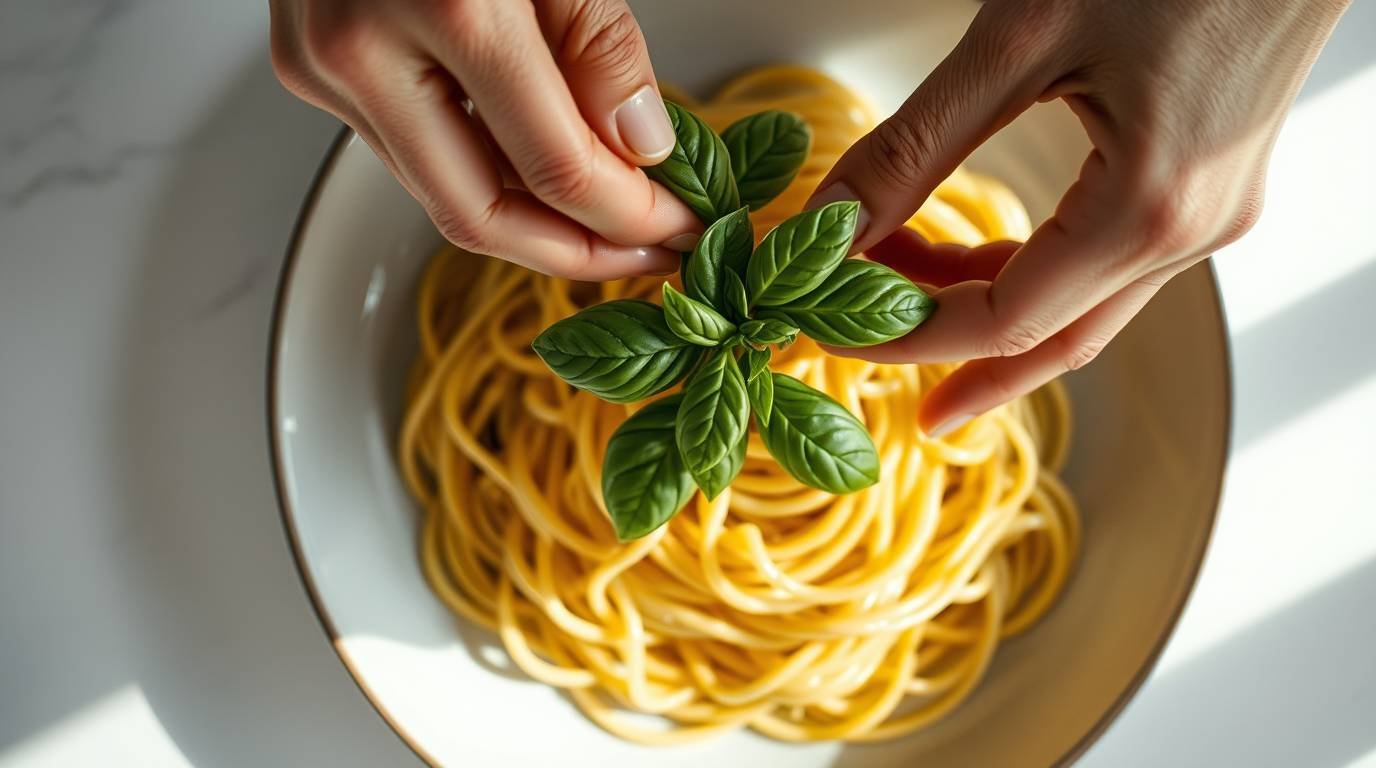
Tear the basil leaves over the top just before serving for a fragrant finish that lifts the entire dish
-
8. Optional: Adaptogen Adjustment (Rhodiola Only)
If using Rhodiola and you still detect a sharp note:
- Add 1–2 extra tablespoons of Parmesan,
- a splash more lemon zest,
- or a few extra basil leaves.
These three together neutralize Rhodiola perfectly.

- Add 1–2 extra tablespoons of Parmesan,
Nutrition Facts
Serving Size 4
- Amount Per Serving
- Calories 2172.98kcal
- % Daily Value *
- Total Fat 115.05g177%
- Saturated Fat 47.87g240%
- Cholesterol 387.03mg130%
- Sodium 1478.87mg62%
- Potassium 952.04mg28%
- Total Carbohydrate 197.59g66%
- Dietary Fiber 9.42g38%
- Sugars 26.21g
- Protein 87.74g176%
- Vitamin A 2127.13 IU
- Vitamin C 15.37 mg
- Calcium 1465.1 mg
- Iron 6.45 mg
- Vitamin D 1.71 mcg
- Vitamin E 6.69 mg
- Vitamin K 56.58 mcg
- Thiamin 0.46 mg
- Riboflavin 1.01 mg
- Niacin 5.26 mg
- Vitamin B6 0.72 mg
- Folate 111.2 mcg
- Vitamin B12 2.46 mcg
- Pantothenic Acid 3.04 mg
- Phosphorus 1441.54 mg
- Magnesium 194.57 mg
- Zinc 9.84 mg
- Selenium 235.28 mcg
- Copper 0.79 mg
- Manganese 2.06 mg
* Percent Daily Values are based on a 2,000 calorie diet. Your daily value may be higher or lower depending on your calorie needs.
Note
For optimal flavor, prioritize the freshest ricotta and organic lemons. The zest will infuse the dish with a vibrant citrus aroma, complementing the creamy ricotta. Be sure to reserve some pasta water; its starch helps emulsify the sauce, creating a silkier texture. Use high-quality extra-virgin olive oil for a robust aroma and flavor. When adding garlic, do not overcook; it should be lightly golden to prevent bitterness. Parmesan should be freshly grated for its nutty undertones and to enhance the dish's creaminess. Basil should be gently torn to release its oils without bruising. Season judiciously with sea salt and black pepper, tasting as you go. If opting for adaptogens, select only one to ensure the balance of flavors is maintained. Adjust the quantity of lemon juice to taste, ensuring the acidity is balanced with the creaminess of the ricotta. Serve immediately for the best texture and flavor.
The Essence of Sicilian Lemon Ricotta Pasta
This dish embodies the simplicity and elegance of Italian cuisine, where each ingredient plays a pivotal role in creating a harmonious symphony of flavors. The freshness of the lemon zest and juice uplifts the creamy texture of the ricotta, while the Parmesan adds a savory depth. Together, they create a silky sauce that clings lovingly to each strand of pasta, evoking the sun-kissed shores of Sicily with every bite. The addition of basil imparts a fragrant herbaceous note, enhancing the overall aromatic experience of this dish.
Personal Reflections
Preparing and sharing this lemon ricotta pasta has always been a cherished moment in my kitchen. The simplicity of the ingredients allows for a mindful cooking experience, where each step—from zesting the lemon to gently tearing the basil—invites a moment of meditation. This dish is perfect for a light summer dinner or a comforting meal during any season, bringing a touch of Sicilian sunshine to your table.
Serving Suggestions and Variations
For a complete meal, pair this pasta with a crisp green salad and a glass of white wine, such as a Sicilian Grillo. For those seeking a touch of protein, grilled shrimp or chicken can be excellent additions. If you're feeling adventurous, a dash of one of the optional adaptogens can offer unique benefits without overpowering the dish's delicate balance.
Encouragement to Experiment
I invite you to try this recipe and experience the joy it brings. Whether you're a seasoned chef or new to the world of cooking, this dish promises satisfaction and delight. Feel free to share your experiences, variations, or any questions you might have. Cooking is a journey best shared, and I look forward to hearing how this Sicilian lemon ricotta pasta graces your dining table.
Pin this recipe to share with your friends and followers.

Frequently Asked Questions
Q: Can I use a different type of pasta instead of linguine or fettuccine?
A: Yes, you can use other pasta types like spaghetti or penne, but the texture and sauce absorption might vary slightly.
Q: How can I store the leftovers?
A: Leftovers can be stored in an airtight container in the fridge for up to 3 days. Reheat thoroughly before serving.
Q: Can I substitute ricotta with another cheese?
A: You can substitute ricotta with cottage cheese or mascarpone for a similar creamy texture, but the flavor might differ slightly.
Q: Is it necessary to use fresh basil?
A: Fresh basil is recommended for the best flavor, but you can use dried basil as a substitute if fresh is unavailable.
Q: What should I serve this dish with?
A: This pasta pairs well with a simple green salad and crusty bread for a complete meal.

You may also like...