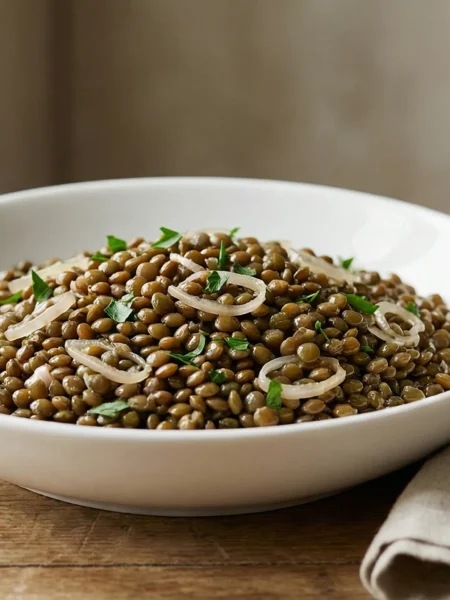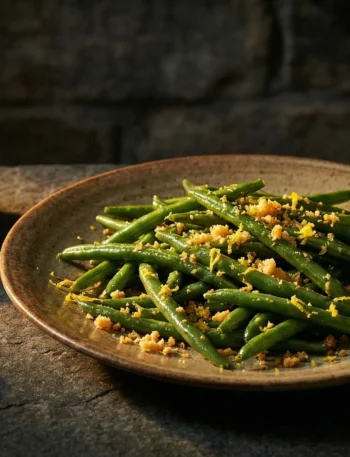
How to Make Warm Cannellini Beans with Lemon and Olive Oil



Introduction
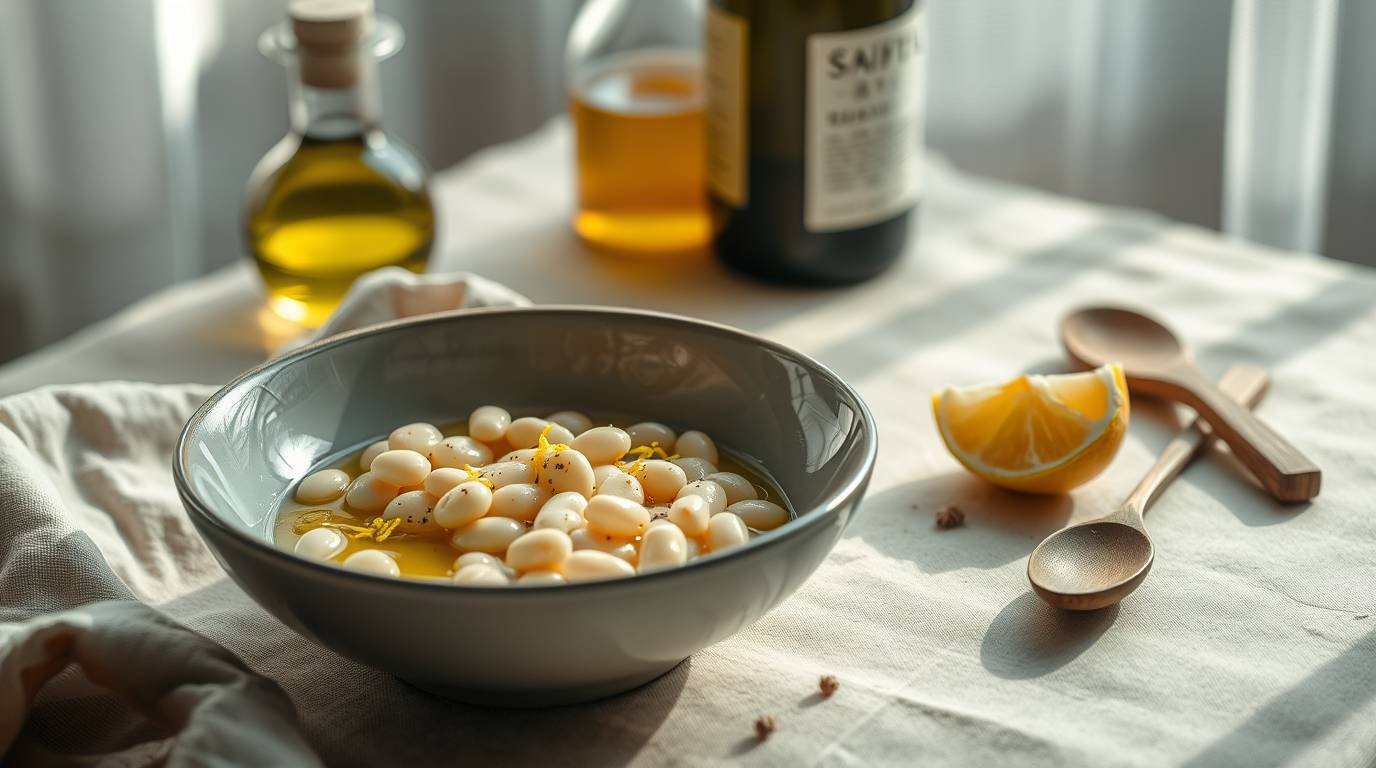
Warm Cannellini Beans with Lemon and Olive Oil is the kind of dish Marco makes when the day has been loud and his kitchen needs to become calm again. It isn’t a “recipe” in the dramatic sense—there’s no heroic simmer, no long list, no performance. It’s a bowl built from pantry staples, assembled with care, and finished with the sort of restraint that turns ordinary ingredients into something elegant.
Marco learned this style of cooking early: the Mediterranean habit of letting one good thing meet another—beans warmed gently so they stay creamy, olive oil added at the right moment so it tastes alive, lemon used for brightness rather than sharpness. A little Parmesan brings depth, black pepper wakes the whole bowl, and suddenly you’re not just eating beans—you’re eating a small, civilized meal that feels both light and complete.
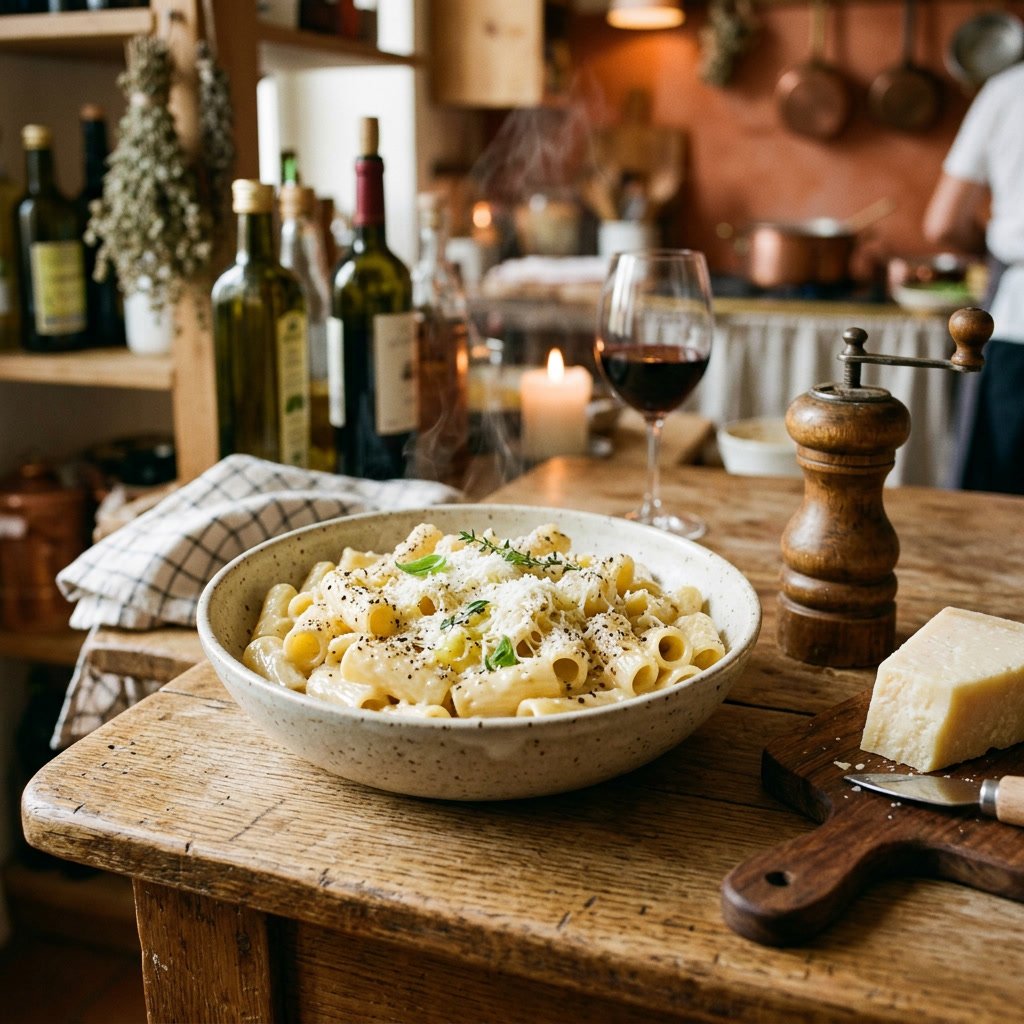
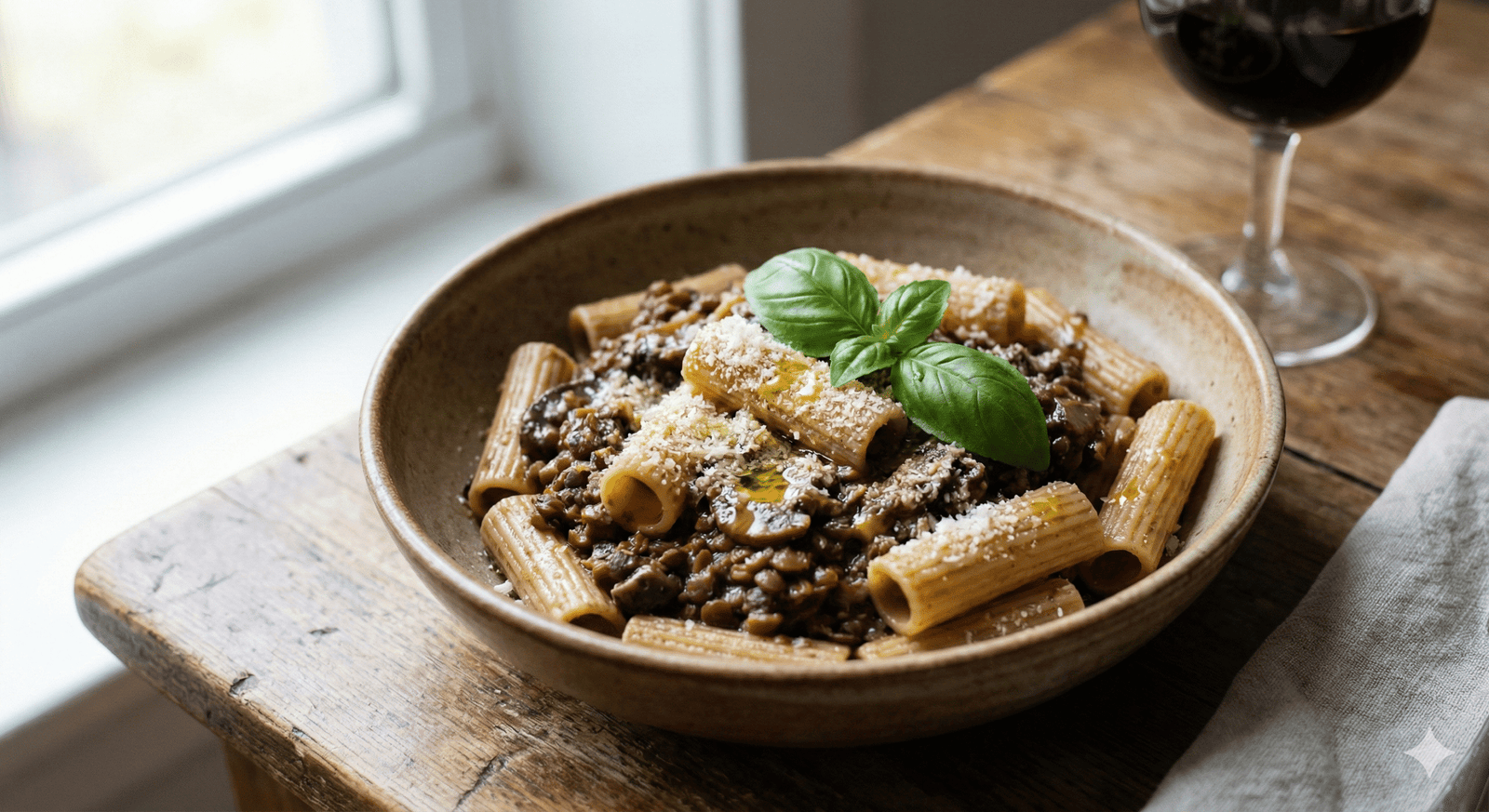

How to Make Warm Cannellini Beans with Lemon and Olive Oil
Ingredients
Instructions
Cooking the Beans
-
Prepare the Cannellini Beans
Open the can of Great Value Cannellini Beans and rinse them under cold water in a colander to remove any excess salt and preserving liquid.
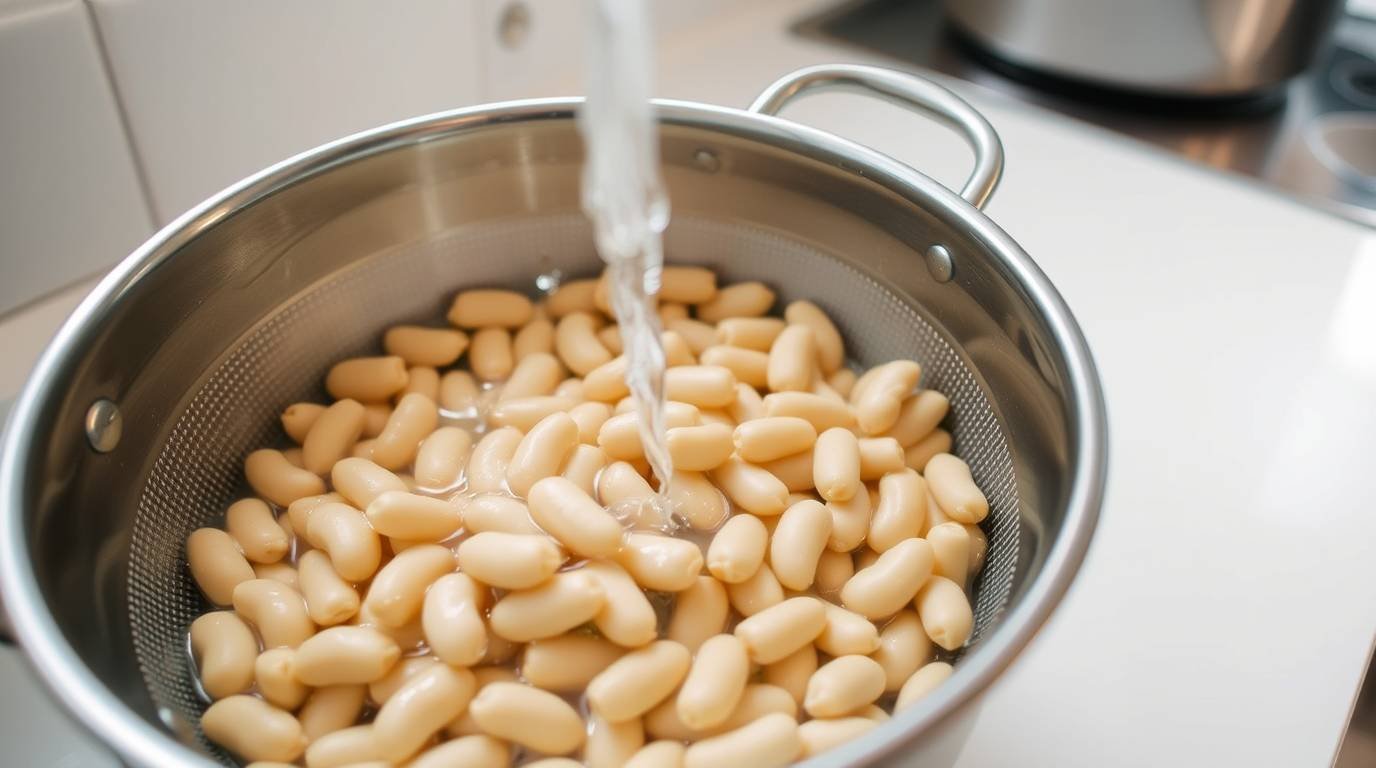 Ensure the beans are well-drained before proceeding to the next step.
-
Warm the Beans
In a medium saucepan, add the rinsed cannellini beans and a splash of Great Value Extra Virgin Olive Oil. Warm over medium heat, stirring occasionally, until the beans are heated through.
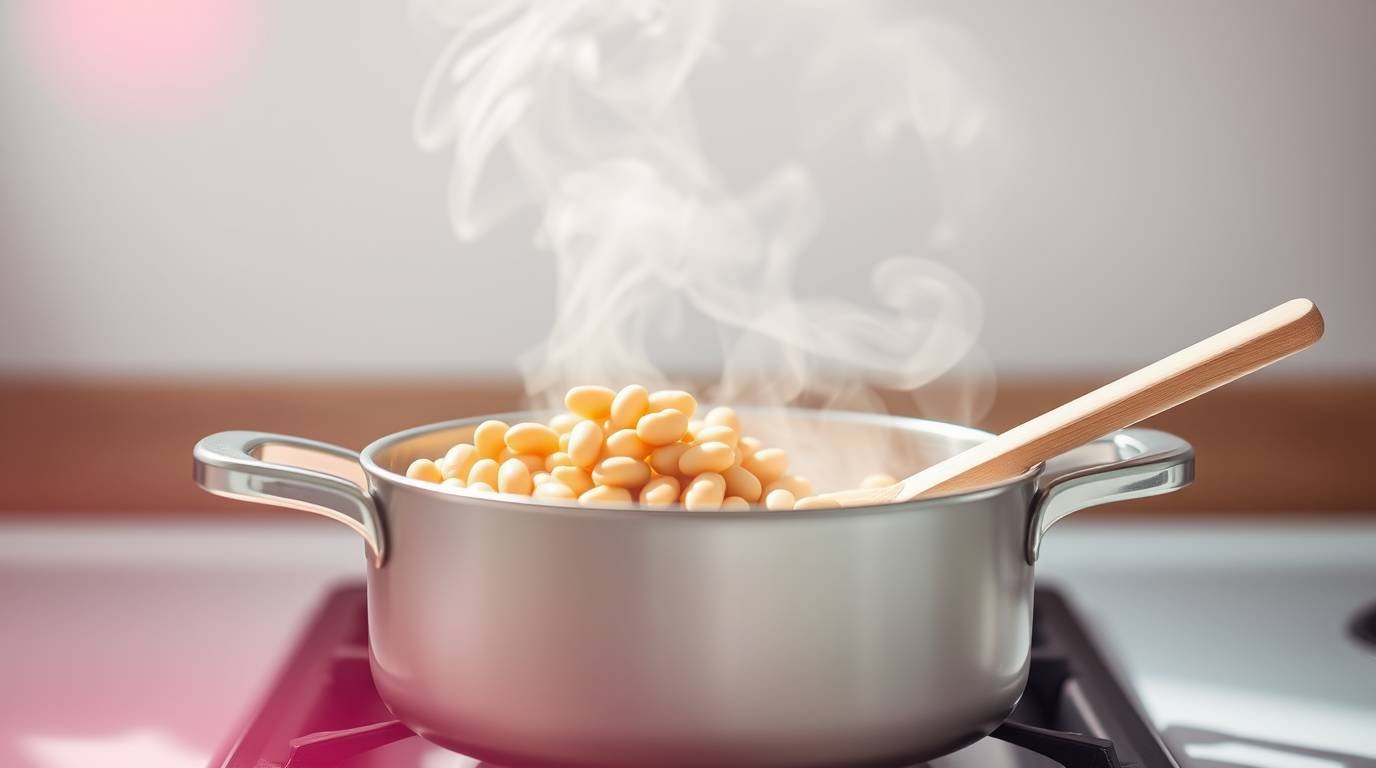 Be careful not to overheat the beans as they can become mushy.
Flavoring the Beans
-
Add Lemon and Olive Oil
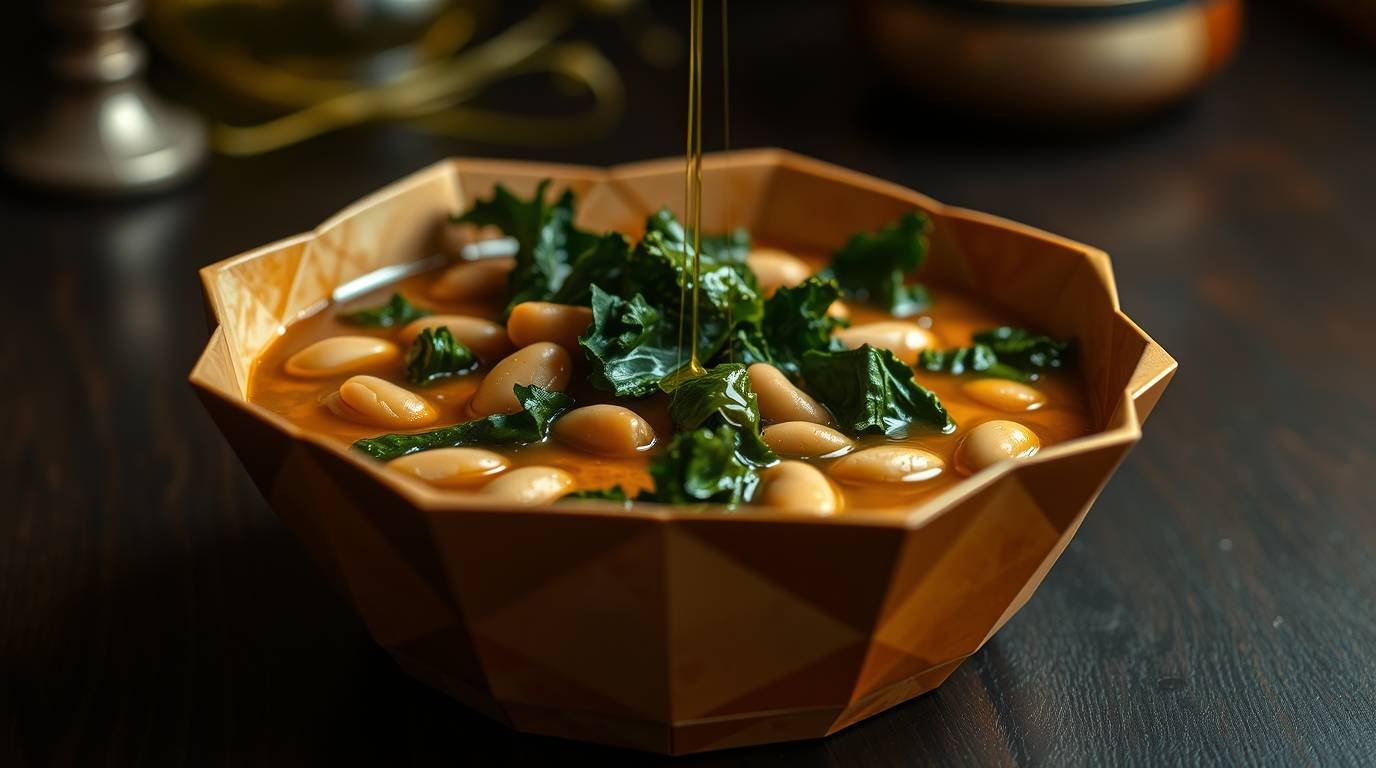
Once the beans are warm, remove them from the heat. Zest the fresh lemon and squeeze the juice from half of it over the beans. Drizzle with a generous amount of Great Value Extra Virgin Olive Oil.
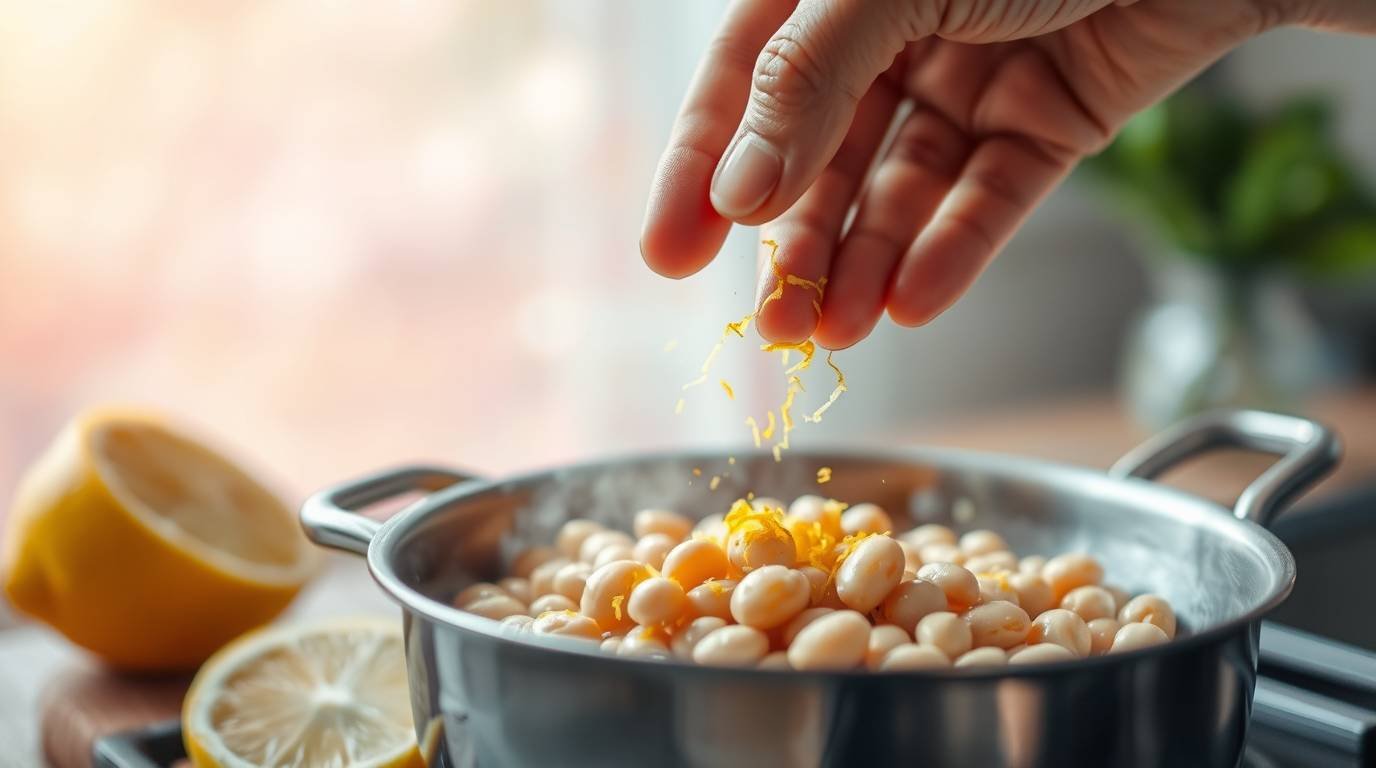 Adjust the amount of lemon juice to taste if you prefer a more citrusy flavor.
-
Incorporate Cheese and Seasonings
Stir in a few tablespoons of Great Value Grated Parmesan Cheese and season with Great Value Black Pepper to taste.
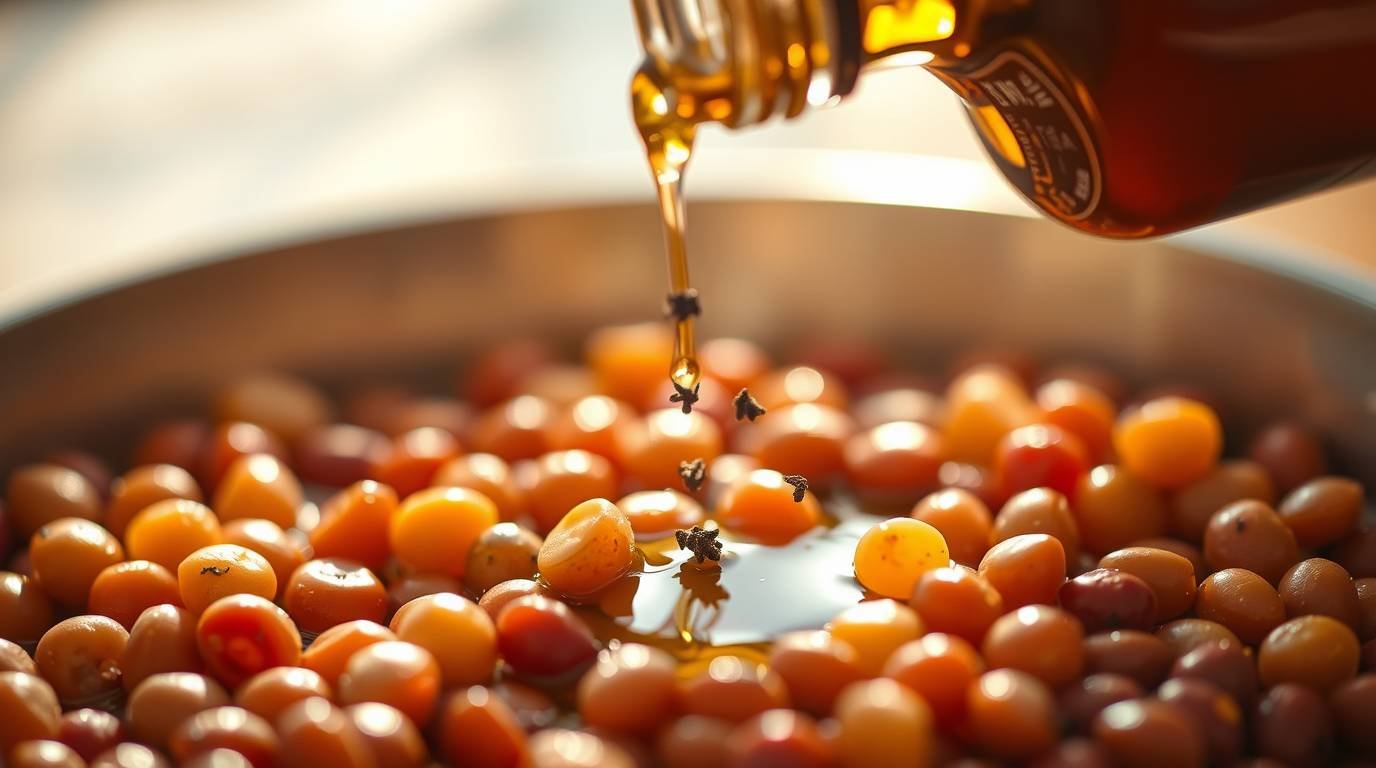 For an extra kick, sprinkle some Great Value Crushed Red Pepper or add a pinch of Great Value Italian Seasoning.
Finishing Touches
-
Garnish and Serve
Transfer the beans to a serving dish. If using, garnish with freshly chopped parsley.
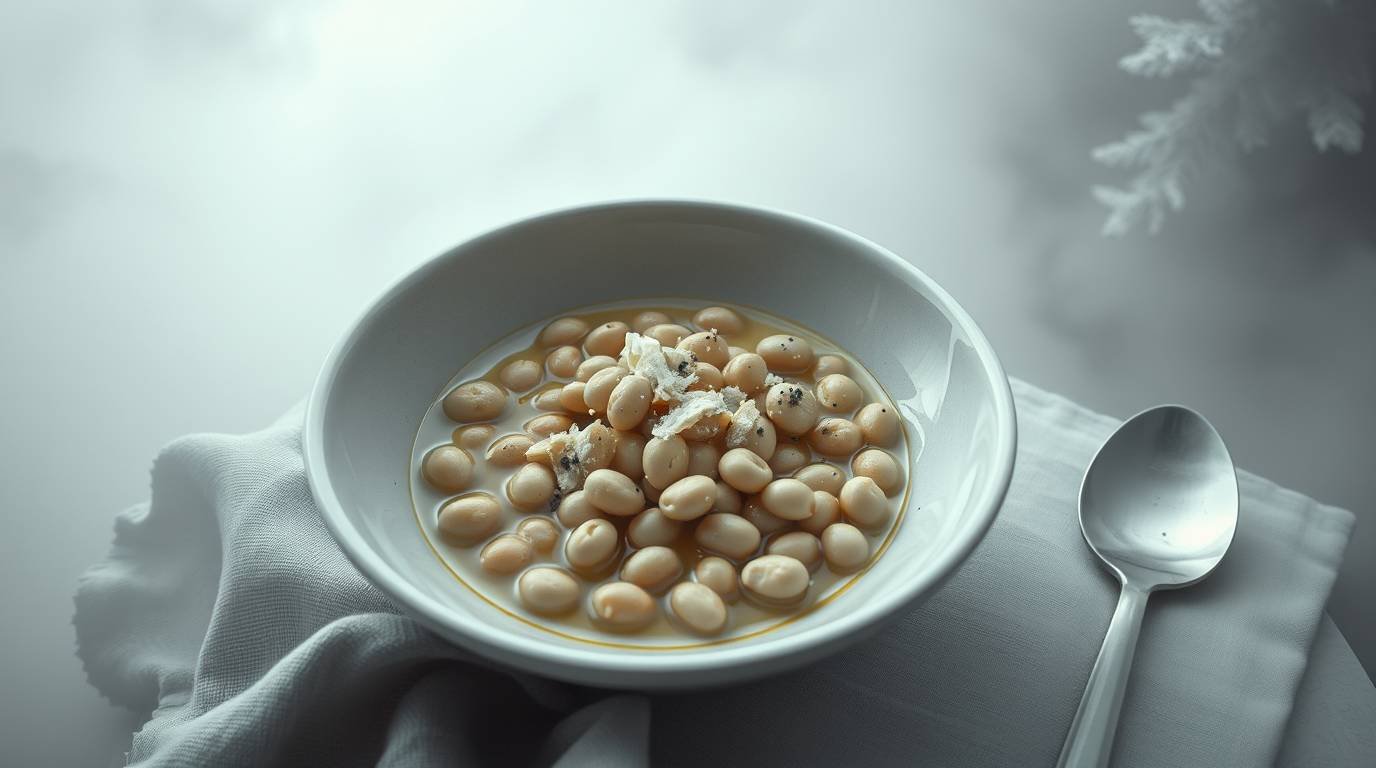 Serve immediately as a side dish or a light main course.
Nutrition Facts
Serving Size 1
- Amount Per Serving
- Calories 1176.05kcal
- % Daily Value *
- Total Fat 49.8g77%
- Saturated Fat 11.31g57%
- Cholesterol 214.73mg72%
- Sodium 2442.82mg102%
- Potassium 1427.33mg41%
- Total Carbohydrate 99.28g34%
- Dietary Fiber 30.07g121%
- Sugars 4.97g
- Protein 100.59g202%
- Vitamin A 1422.24 IU
- Vitamin C 10.55 mg
- Calcium 1250.32 mg
- Iron 14.95 mg
- Vitamin D 33.84 mcg
- Vitamin E 9.03 mg
- Vitamin K 91.41 mcg
- Thiamin 0.26 mg
- Riboflavin 0.7 mg
- Niacin 22.44 mg
- Vitamin B6 0.56 mg
- Folate 137.18 mcg
- Vitamin B12 11.85 mcg
- Pantothenic Acid 2.02 mg
- Phosphorus 1302.21 mg
- Magnesium 189.89 mg
- Zinc 5.05 mg
- Selenium 105.93 mcg
- Copper 0.59 mg
- Manganese 1.12 mg
* Percent Daily Values are based on a 2,000 calorie diet. Your daily value may be higher or lower depending on your calorie needs.
Note
For optimal flavor, choose high-quality canned cannellini beans and rinse them thoroughly to remove any excess sodium or canning liquids. Warm the beans gently in a saucepan over low heat to avoid breaking their delicate texture. Drizzle with Great Value Extra Virgin Olive Oil, ensuring a smooth and neutral base that enhances the beans' natural creaminess.
Add freshness and brightness by incorporating the zest and juice of half a fresh lemon, balancing the dish with a touch of acidity. Stir in a generous handful of Great Value Grated Parmesan Cheese; its umami depth will complement the gentle flavors of the beans and lemon. Season with Great Value Black Pepper to taste, introducing a mild heat and aroma.
For a slight kick, consider a dash of Great Value Crushed Red Pepper. Fresh parsley, if available, can be finely chopped and sprinkled on top for a pop of color and an herby note. Alternatively, a pinch of Great Value Italian Seasoning can be used to infuse the dish with a blend of dried herbs, enhancing its complexity. Adjust seasoning as needed, ensuring all elements are harmoniously balanced. Serve warm as a side or a light main dish.
Cultural Roots and Inspirations
This recipe draws inspiration from Mediterranean cuisine, where beans and legumes have long been staples due to their affordability, nutritional benefits, and adaptability. The Mediterranean diet, often praised for its health benefits, incorporates a variety of fresh and flavorful ingredients, with beans playing a central role. The use of olive oil and lemon is quintessential to this cuisine, reflecting a tradition that emphasizes fresh, seasonal ingredients and simple preparation methods that allow the natural flavors to shine. In Italy, for instance, beans are commonly featured in rustic dishes that are both economical and rich in taste. The Italians have mastered the art of using minimal ingredients to create substantial meals, often relying on pantry staples like beans, olive oil, and cheese. This recipe pays homage to those traditions, offering a modern take on a classic combination that has been enjoyed for centuries.
Pin this recipe to share with your friends and followers.

Frequently Asked Questions
Q: Can I substitute fresh lemon with bottled lemon juice?
A: Yes, you can substitute fresh lemon with bottled lemon juice, but fresh lemon will provide a brighter, more vibrant flavor.
Q: What should I serve this dish with?
A: This dish pairs well with crusty bread, grilled chicken, or as a side to a fresh green salad.
Q: How can I store the leftovers?
A: Leftovers can be stored in an airtight container in the fridge for up to 3 days. Reheat thoroughly before serving.
Q: Can I add other herbs to the recipe?
A: Yes, you can add fresh herbs like basil or thyme to enhance the flavor. Dried Italian seasoning is also a good substitute.
Q: Is it necessary to use Parmesan cheese?
A: Parmesan cheese adds a rich, savory flavor, but you can omit it or use nutritional yeast for a dairy-free option.

You may also like...